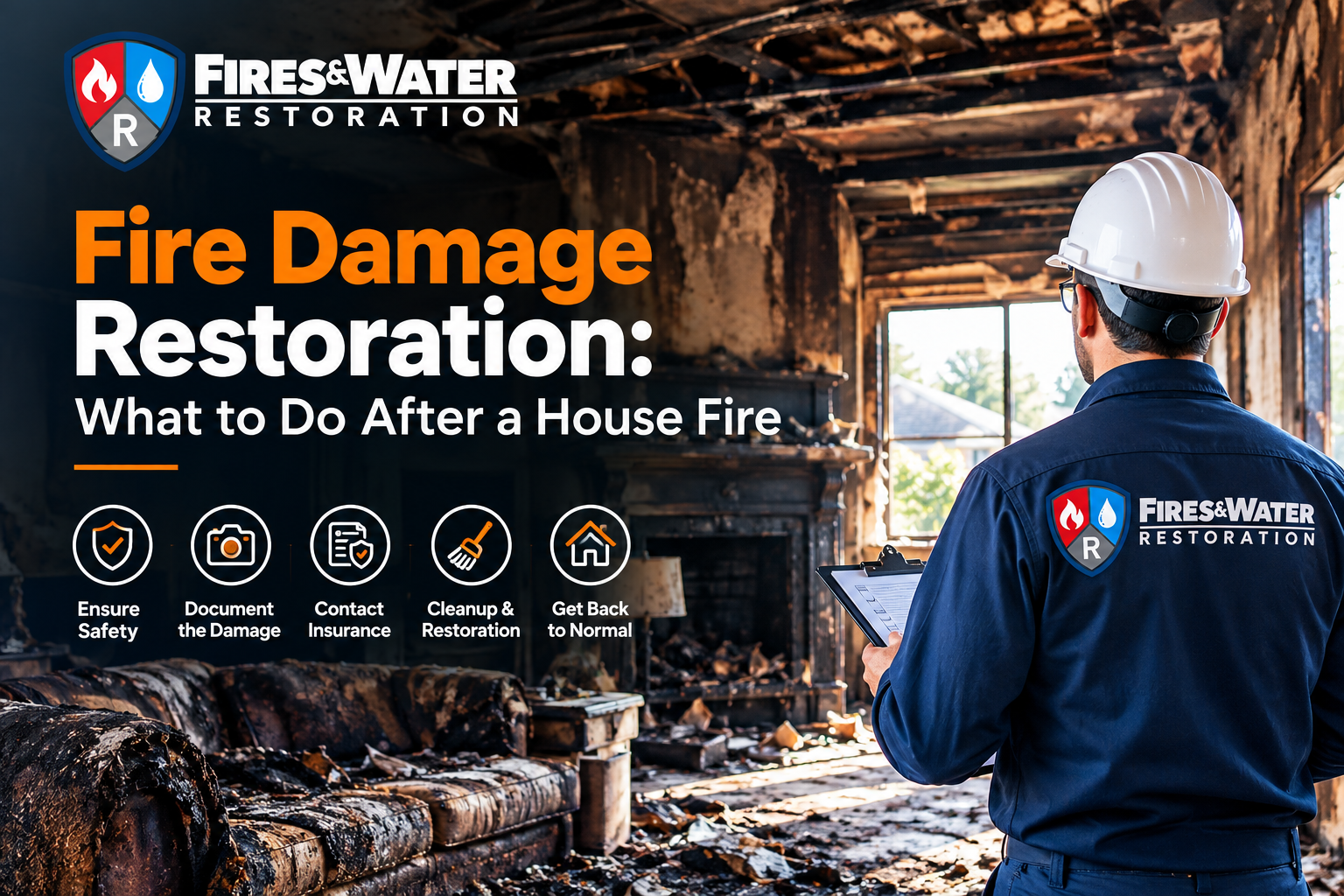
A house fire can leave behind far more than visible burns. Smoke, soot, heat, firefighting water, damaged materials, lingering odors, and structural problems can continue affecting a property after the flames are extinguished. Knowing what to do next can help protect your family, preserve important documentation, and prevent additional property damage. Fire Damage Restoration is […]
.....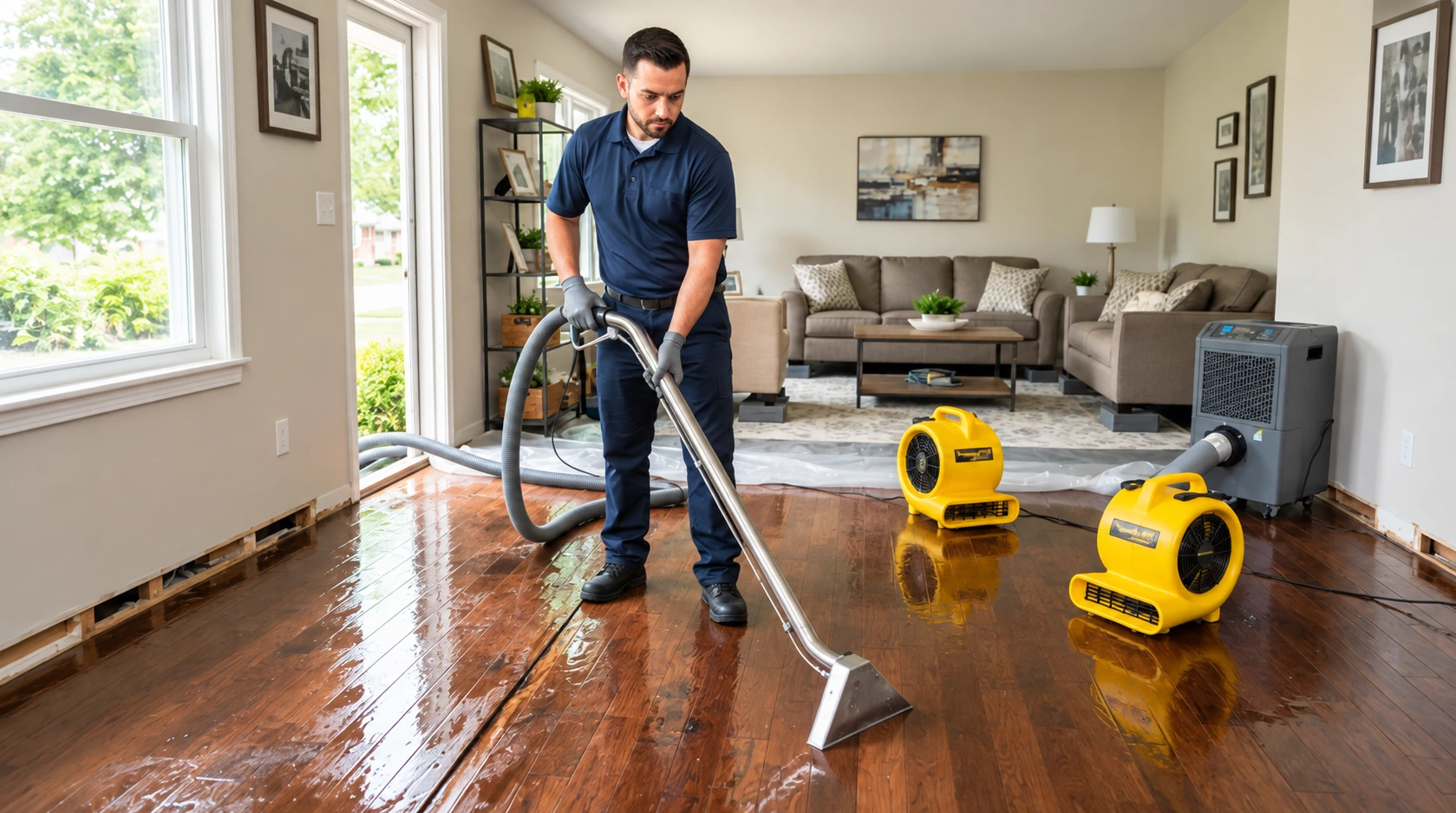
Even after water has been removed, a flood or plumbing leak can cause a significant problem. Drywall, flooring, wood, insulation, and other building materials can absorb moisture. It is possible for surfaces to be dry, but for moisture to be present in the substructure. Structural drying, performed by professionals, is vital in helping to remove […]
.....
Water damage can make your home or business appear unrepairable. Damp floors, walls with stains, furniture with liquid on it, and wet clothes are scenarios that may cause you to think about what still can be saved. Fortunately, there is no need to get rid of anything impacted by water. Knowing what can be saved […]
.....
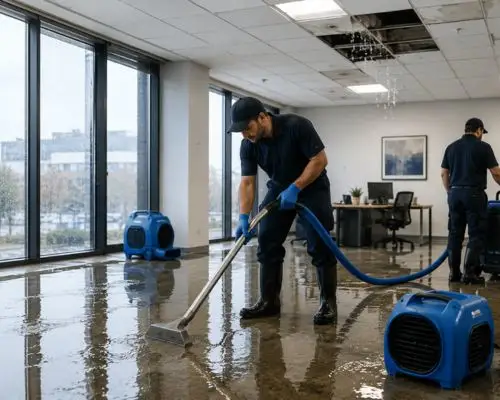
Burst pipes, overflowing appliances, sewage backup, storms, or plumbing failure are ways that water damage can occur at a moment’s notice. All water damage problems can impact your property, but not all water is contaminated to the same degree. Knowing the categories of water damage can help homeowners know what they are up against and […]
.....
A broken pipe, overflowing appliances, backed-up drain, or any sudden leak can become a major home disaster in no time. Water does not remain in the place it’s first seen. It can hide under flooring, into walls, through insulation, and into inaccessible areas. The more water stands there, the more likely it is to cause […]
.....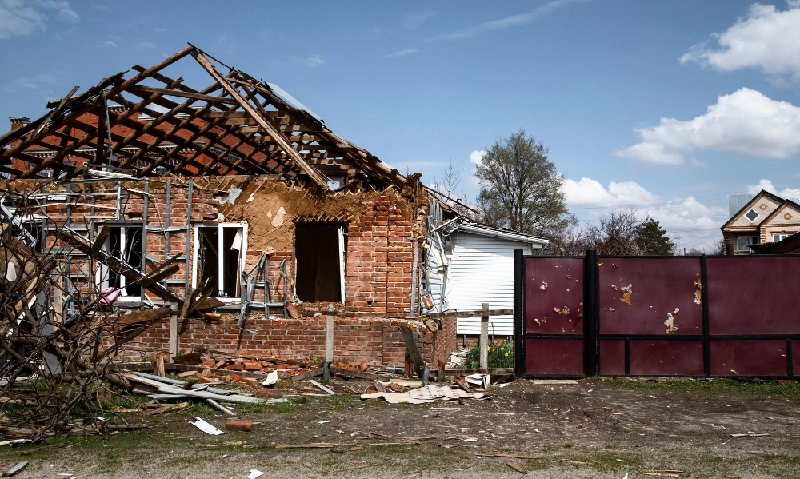
Fallen branches and standing water aren’t the only things left behind by severe storms. Roofs, siding, windows, and gutters can be damaged, and even the interior of your house can be affected by strong winds, hail, heavy rain, and flying debris. Understanding the aftermath of a storm can help you act swiftly and avoid a […]
.....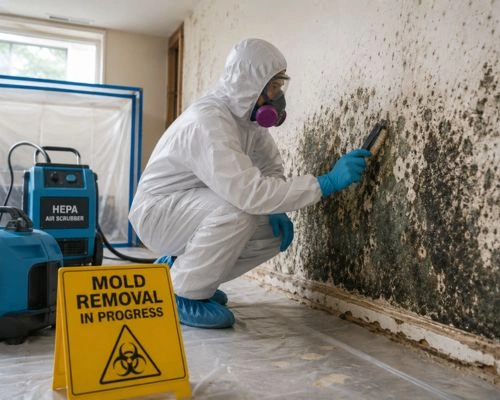
One of the most common problems that we all face as homeowners after water damage, plumbing leaks, or excessive humidity is black mold. Although it begins with only a tiny patch, if not resolved immediately, it can rapidly permeate walls, floors, ceilings, and insulation and flooring. Otherwise, the mold can lead to poor indoor air […]
.....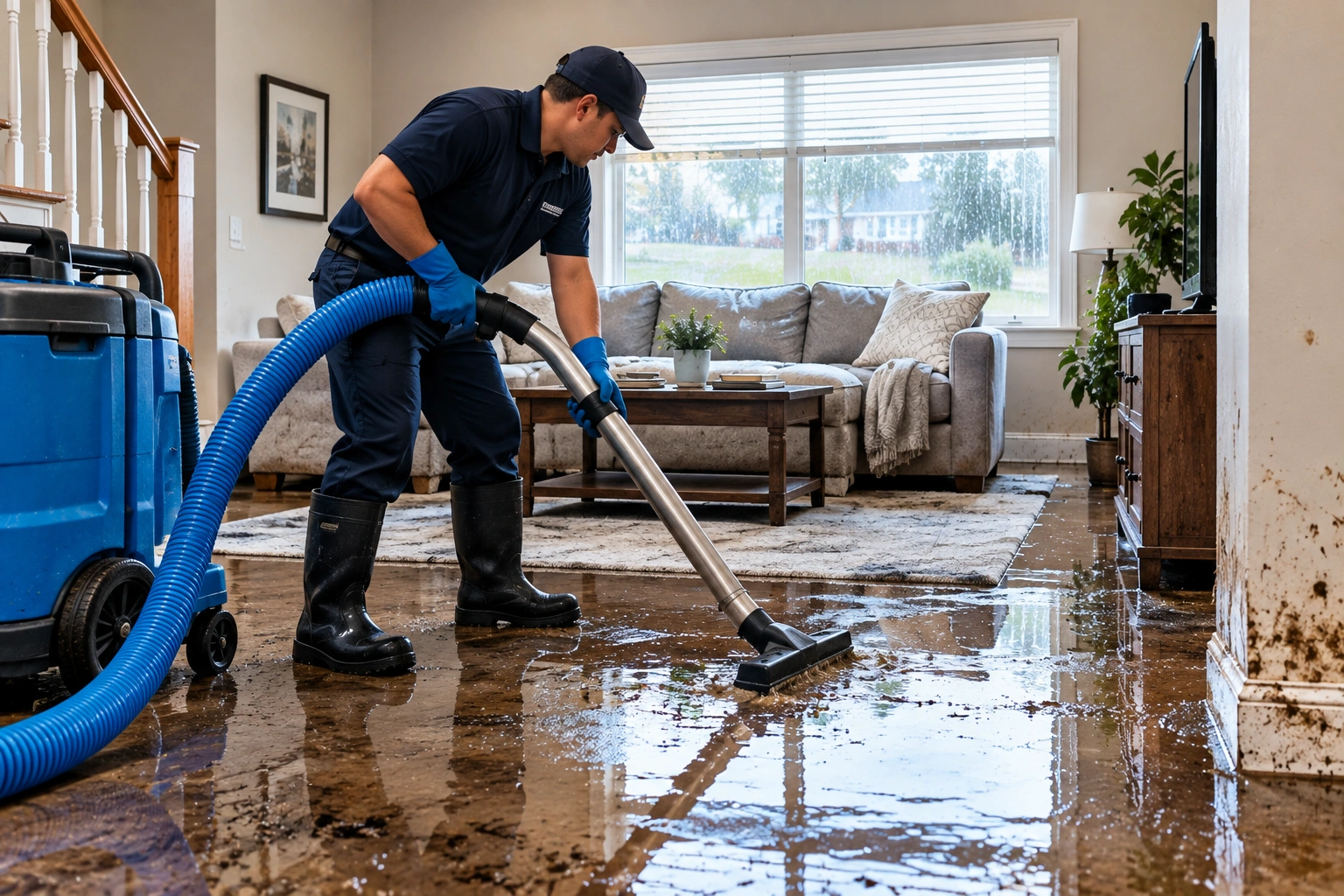
Flooded streets and overflowing drains are not the only consequences of heavy rain. Rainwater may back up into homes when the rain exceeds the capacity of the sewer system, posing a health and property hazard. Sewage-contaminated water can carry bacteria, viruses, and odors, and cause damage to floors, walls, furniture, and other property. This is […]
.....
Posted by admin at 28 Sep Roof-Leak Water Damage: How to Find Hidden Moisture and Prevent Interior Damage

Posted by admin at 21 Sep Water Damage Restoration Near Me: Find Fast, Reliable Local Help
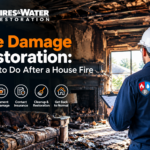
Posted by admin at 21 Sep Fire Damage Restoration: What to Do After a House Fire
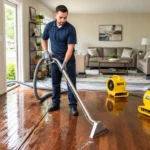
Posted by admin at 21 Sep How Professional Structural Drying Works After a Flood or Plumbing Leak
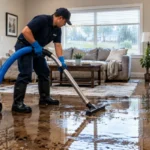
Posted by admin at 14 Sep What Can Be Saved After Water Damage—and What Usually Must Be Replaced?








Our mission is simple: restore your property and peace of mind with speed, compassion, and expertise.
© 2026 Fires & Water Restoration All rights reserved. Designed By 
 972-900-3855
  info@firesandwaterrestoration.com

