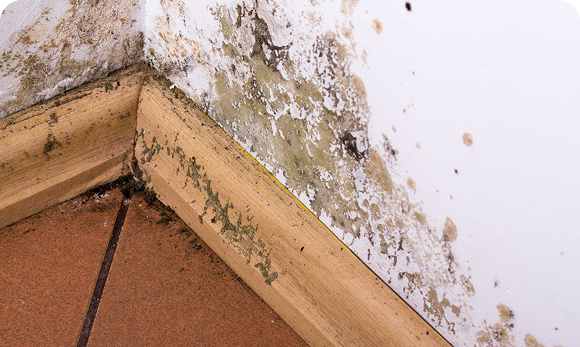
Mold can develop when moisture remains inside a property after a leak, flood, roof problem, or condensation issue. You may notice dark spots on walls, a musty smell, or signs of water damage before discovering the full extent of the problem.
Fires & Water Restoration provides Dallas mold remediation for residential and commercial properties. Our approach focuses on assessing affected areas, identifying moisture concerns, containing the work area when needed, removing mold-affected materials, and restoring damaged surfaces.
If you need mold removal in Dallas, our team can help you understand the condition of your property and the next steps. Call 972-900-3855 to discuss your mold concerns and arrange an inspection.
Mold can affect bathrooms, kitchens, attics, crawl spaces, offices, retail buildings, and other areas where moisture builds up. In some cases, the growth is visible. In others, a persistent musty odor or recurring dampness may point to a hidden moisture problem. Our mold remediation in Dallas, TX, focuses on more than removing visible growth. The work also considers the source of moisture and whether nearby building materials have been affected.
Depending on the property and the extent of the problem, remediation may involve:
The right approach depends on the property, the affected materials, and the condition that allowed mold to develop.
Dark or black-colored mold can be concerning, especially when it appears on walls, ceilings, around windows, or near plumbing. However, mold color alone cannot identify its species or determine its level of risk. If you suspect black mold in your home or business, avoid disturbing the affected area. Scrubbing, sanding, or removing contaminated materials without suitable precautions may spread mold particles into nearby spaces.
Professional black mold removal in Dallas, TX, starts with assessing the affected area and the underlying moisture conditions. The remediation plan may include containment, removal of affected materials, cleaning, drying, and repairs. Our team can help property owners address visible mold and investigate conditions that may be contributing to its growth.
Mold may develop in areas that stay damp or have limited ventilation, including:
If dark patches return after cleaning or a musty smell persists, the underlying moisture problem may still need attention.
Mold needs moisture and suitable conditions to grow. Finding the source of that moisture is an important part of a lasting remediation plan.
Mold is not always visible at first. Some warning signs may indicate that moisture or mold is affecting your property.
Look for:
These signs do not confirm the presence of mold on their own. However, they can indicate a moisture issue that needs further investigation. If you notice several of these signs, professional mold cleanup in Dallas can help determine which areas are affected and what work may be required.
Each mold problem requires an approach based on the affected area, building materials, and moisture source.
Mold Inspection and Assessment
Containment of Affected Areas
Mold Removal
Mold-affected surfaces and materials are addressed using methods suited to their condition. Some materials may be cleaned, while others may need to be removed and replaced if they cannot be effectively restored.
Cleaning and Decontamination
Surfaces and belongings that can be restored are cleaned based on the type of material and the extent of contamination. The appropriate method depends on the condition of the items and the affected area.
Moisture Control and Drying
Repair and Restoration
Mold and moisture can damage drywall, insulation, flooring, ceilings, and other building materials. After the affected areas have been addressed, damaged materials can be repaired or replaced as needed.
Mold in a home can affect bathrooms, kitchens, bedrooms, attics, crawl spaces, and other areas. A plumbing leak may affect the inside of a cabinet, while roof damage or previous flooding may leave moisture in ceilings and walls.
Our residential mold remediation approach considers:
If you have recurring mold or a persistent musty smell, addressing the underlying moisture issue is just as important as treating the visible growth.
Mold can also affect offices, retail spaces, restaurants, warehouses, and other commercial properties. Moisture from plumbing, roofing, HVAC equipment, or previous water damage may affect work areas, inventory, equipment, and building materials. Commercial mold remediation requires consideration of the affected space, building use, and potential disruption to normal operations.
Our approach may include assessing the affected areas, containing the work zone when appropriate, removing mold-affected materials, cleaning restorable surfaces, and identifying the need for repairs. Property owners and facility managers can contact our team to discuss the condition of the building and the available restoration options.
Fires & Water Restoration provides mold remediation services in Dallas and surrounding communities. Different properties can face different moisture challenges, so the remediation plan should reflect the actual condition of the building.
We serve property owners across areas including:
We also serve nearby DFW communities, including Arlington, Fort Worth, Frisco, Garland, Grand Prairie, Irving, McKinney, and Plano. Contact us to confirm service availability for your location.
A clear process helps property owners understand what needs to happen and why.
1. Assess the Affected Areas
We review visible mold, moisture concerns, and damaged materials to determine the likely scope of the problem.
2. Identify Moisture Concerns
We look for conditions that may be contributing to mold growth, such as leaks, water intrusion, or recurring condensation.
3. Contain the Work Area When Needed
Appropriate containment measures help limit the movement of mold particles during remediation.
4. Remove Mold and Clean Affected Surfaces
Mold-affected materials are removed or cleaned based on their condition and whether they can be restored.
5. Address Moisture and Drying
The restoration plan addresses remaining moisture and the conditions that may allow mold to return.
6. Repair and Restore the Property
Damaged materials are repaired or replaced as needed after the affected areas have been addressed.
The work required and the time needed vary with the size of the affected area, the materials involved, and the source of moisture.
When mold affects your property, it helps to have a clear plan for addressing the problem and restoring the affected areas.
Visible mold, recurring dampness, or a persistent musty odor can be signs that your property needs further assessment. Waiting to address the moisture source may allow the problem to continue or affect additional materials. Fires & Water Restoration provides mold removal in Dallas, Texas, for residential and commercial properties. From assessing affected areas to cleaning, moisture control, and restoration, our team can help you understand the next steps.
If you need black mold removal in Dallas or professional mold remediation, contact our team to discuss your property. Call 972-900-3855 to arrange an inspection or discuss your mold concerns.

We follow a structured process for every mold remediation case.
We locate visible and hidden mold areas.
We isolate affected zones to prevent spread.
We safely remove mold from surfaces and materials.
We treat indoor air and remove spores.
We repair and restore affected areas.
This ensures safe and complete recovery in Dallas properties.
TestimonialsReal stories from customers who trusted us to restore their peace of mind.

“They arrived within an hour after our water heater burst. The team was kind, fast, and incredibly thorough.”
Satisfied Client
“After a kitchen fire, they handled everything from cleanup to rebuilding. I couldn’t believe how good the house looked afterward.”
Satisfied Client
“Professional, patient, and honest. They helped us navigate insurance and made the process easy.”
Satisfied Client
FAQsDark spots, persistent musty odors, water stains, and recurring dampness may indicate a mold or moisture problem. However, color alone cannot identify a mold species. An assessment can help determine the affected areas and the appropriate next steps.
The color of mold does not reliably determine its health risk. Some molds can trigger allergic reactions or respiratory symptoms, particularly in sensitive individuals. Avoid disturbing extensive or hidden growth and seek professional guidance when the affected area is significant.
Dallas mold remediation may include assessing affected areas, identifying moisture concerns, containing the work area when appropriate, removing mold-affected materials, cleaning restorable surfaces, drying damp areas, and repairing damaged materials. The exact work depends on the property and the extent of the problem.
The cost of mold removal in Dallas depends on the size of the affected area, the location of the growth, the materials involved, access to the affected space, and whether repairs are needed. An assessment helps establish the scope of work before a price can be determined.
Small areas of mold on suitable, non-porous surfaces may sometimes be cleaned safely. However, extensive growth, recurring mold, contaminated materials, or mold associated with significant water damage may require professional remediation. Do not disturb mold if doing so could spread particles or expose you to unsafe conditions.
Yes. Mold can return if moisture remains or the original cause is not addressed. Fixing leaks, controlling condensation, and drying affected materials are important parts of reducing the risk of recurring growth.
Not always. Testing may be useful in certain situations, but it is not required for every visible mold problem. The need for testing depends on the property’s condition and what information is needed to guide the work.
The timeline depends on the size of the affected area, the extent of moisture damage, the materials involved, and the repairs required. A small, accessible area may take less time than a problem involving concealed spaces or damaged building materials. The scope of work helps determine a more realistic timeline.
Coverage depends on the policy and the cause of the mold problem. Some policies may cover mold associated with a covered water event, while exclusions or limits may apply to other situations. Contact your insurance company to confirm your coverage. Fires & Water Restoration can assist with restoration-related documentation.
Yes. Mold can develop in concealed areas when moisture remains inside wall cavities, beneath flooring, or around plumbing and HVAC equipment. Persistent musty odors, water stains, or recurring mold may indicate that further investigation is needed.
Yes. Fires & Water Restoration provides restoration services for residential and commercial properties. The approach depends on the affected space, building materials, moisture source, and restoration requirements.
In addition to Dallas, we serve nearby DFW communities, including Arlington, Fort Worth, Frisco, Garland, Grand Prairie, Irving, McKinney, and Plano. Contact us to confirm service availability for your property.
Where we offer our servicesIf you suspect mold in your home or business, contact Fires & Water Restoration to discuss the affected areas and available remediation options. We provide mold remediation and restoration assistance for properties in Dallas and nearby DFW communities.





Our mission is simple: restore your property and peace of mind with speed, compassion, and expertise.
© 2026 Fires & Water Restoration All rights reserved. Designed By 
 972-900-3855
 info@firesandwaterrestoration.com


