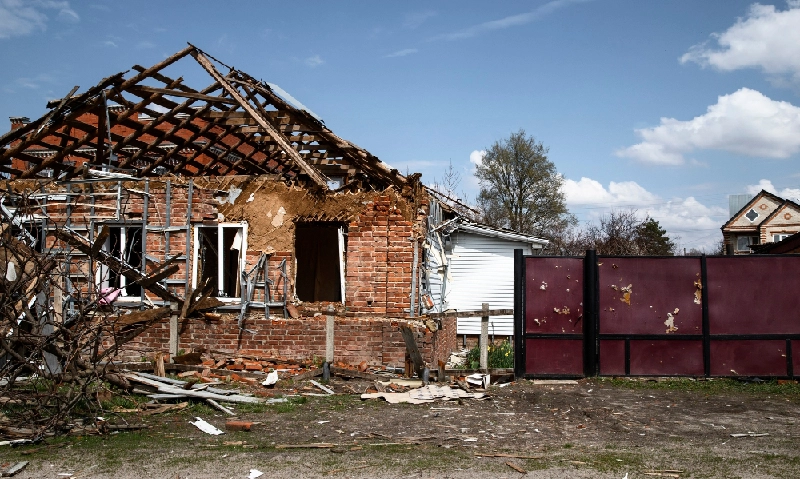
When a severe storm moves through Fort Worth, the damage is not always obvious from the outside. High winds can loosen roofing materials, hail can damage exterior surfaces, and heavy rainfall can push water into ceilings, walls, flooring, and other parts of a property.
What looks like a small roof leak can become significant water damage if moisture remains inside the structure.
Fires and Water Restoration provides storm damage restoration in Fort Worth, TX, with 24/7 emergency support for homeowners, property managers, landlords, and businesses. Our approach focuses on identifying the damage, controlling further exposure, removing unwanted water, drying affected areas, and helping return the property to a usable condition.
If your Fort Worth property has been affected by severe weather, early action can make the restoration process more manageable.
Fort Worth properties can experience different types of storm damage depending on the severity of the weather and the condition of the building.
Severe thunderstorms, high winds, hail, and heavy rainfall can affect roofs, windows, exterior walls, drainage areas, and interior spaces. Older properties may have different vulnerabilities than newer construction, while commercial buildings can have larger roof areas, equipment, inventory, and occupied spaces to protect.
Common storm-related problems include:
The restoration process should address the actual source of the damage rather than only treating what is visible.
Heavy rainfall can create flooding even when a property has never experienced a major water problem before. Water may enter through damaged roofing, doors, windows, foundation openings, or other vulnerable areas.
Our flood damage repair Fort Worth TX services focus on removing unwanted water and addressing the affected areas before the damage progresses.
Depending on the property, restoration may include:
Water can travel farther than expected. A visibly wet room may not represent the full extent of the problem.
Storm-related flooding requires more than simply removing visible water.
Moisture can move underneath flooring, into drywall, behind cabinets, or into insulation. These areas may remain damp even when the surface appears dry.
Our flood damage restoration Fort Worth TX approach considers where the water entered, how far it traveled, which materials were affected, and whether moisture remains in hidden areas.
If the storm caused significant water intrusion, our broader water damage restoration services can support the drying and recovery process.
The goal is to control the immediate damage while identifying conditions that could create additional property problems later.
Searching for flood restoration Fort Worth property owners can rely on often starts after the storm has already passed. However, water damage does not stop simply because the rain has ended.
A ceiling stain may continue spreading. Wet flooring can affect the material underneath. Damp drywall can remain compromised long after the surface begins to feel dry.
If there is active water entering the building, take reasonable steps to stay safe and avoid electrical hazards. Do not enter standing water where electrical equipment may be involved.
Professional restoration can then focus on removing water, locating hidden moisture, drying affected areas, and determining which materials can be restored.
Storm damage can look different across Fort Worth because properties vary significantly by neighborhood, construction type, age, and use.
We serve property owners throughout areas including:
A storm affecting a residential property near TCU may create a very different restoration challenge from one affecting a large commercial property in North Fort Worth.
That is why restoration should be based on the actual condition of the property rather than a standard one-size-fits-all response.
Wind, hail, and heavy rain can expose weaknesses in roofing systems. Water may then enter attic spaces, ceilings, insulation, and interior rooms.
A ceiling stain, dripping fixture, or damp attic should not be ignored simply because the storm has ended.
Once water enters a building, it can spread through flooring, drywall, cabinets, furniture, and other materials.
Early extraction and drying can help limit the amount of material affected.
Hail can damage roofing materials and exterior components, while strong winds may loosen or displace roofing materials, siding, or other exterior elements.
Even when the damage is not immediately obvious, water can enter through compromised areas during subsequent rainfall.
Heavy rainfall can overwhelm drainage systems and introduce water into garages, ground-level rooms, commercial spaces, and other vulnerable areas.
When flooding occurs, the source and type of water should be considered before cleanup begins.
Storm damage can create prolonged moisture inside a property. If affected materials remain wet, mold can become an additional restoration concern.
When necessary, storm recovery can be coordinated with mold remediation services to address moisture-related problems.
After severe weather, it is tempting to begin cleaning everything immediately. Before doing so, take a moment to identify potential hazards.
If it is safe:
If the property has sustained both storm and water damage, our emergency water damage restoration service can help address urgent moisture-related problems.
Storm damage can already be stressful. The restoration process should be clear and organized.
Our approach generally follows:
Assess → Protect → Extract → Dry → Clean → Restore
First, the affected property is evaluated to identify immediate concerns. Water is removed where necessary, followed by drying and moisture control. Affected areas are cleaned, and restoration work is then planned according to the condition of the property.
For larger losses, proper documentation can also help property owners organize information when communicating with their insurance company.
Storm damage does not follow business hours. A roof can begin leaking during the night, a storm can cause flooding over the weekend, or hidden water may be discovered hours after the weather clears.
Fires and Water Restoration provides 24/7 storm damage restoration in Fort Worth, TX to help property owners respond when urgent restoration is needed.
Whether your property has experienced roof-related water intrusion, interior flooding, wind damage, or storm-related moisture problems, timely professional attention can help prevent a manageable issue from becoming more extensive.
Storm damage is not always limited to what you can see. Water can move behind walls, underneath flooring, and into ceilings after the weather has cleared.
If you need storm damage restoration in Fort Worth, flood cleanup, or help following severe weather, Fires and Water Restoration is available around the clock.
Call 972-900-3855 for 24/7 storm damage restoration assistance in Fort Worth, TX.

We follow a structured process for every storm damage case.
We assess roof, water, and structural damage.
We secure the property to prevent further exposure.
We extract water from all affected areas.
We dry structures and clean contaminated spaces.
We restore damaged areas and rebuild affected sections.
Each step ensures full recovery after storms in Fort Worth.
TestimonialsReal stories from customers who trusted us to restore their peace of mind.

“They arrived within an hour after our water heater burst. The team was kind, fast, and incredibly thorough.”
Satisfied Client
“After a kitchen fire, they handled everything from cleanup to rebuilding. I couldn’t believe how good the house looked afterward.”
Satisfied Client
“Professional, patient, and honest. They helped us navigate insurance and made the process easy.”
Satisfied Client
FAQsWe provide 24/7 emergency storm response across Fort Worth and nearby areas.
Yes, we handle storm-related roof leak protection and repairs.
Yes, moisture left after storms can quickly cause mold growth.
Yes, we also serve Arlington, Dallas, Irving, and Mansfield.
Stay safe, avoid damaged areas, and call emergency restoration help immediately.
Yes, we assist with documentation and claim support.
Where we offer our servicesStorm damage can worsen quickly if not handled immediately. Fast response helps reduce loss and repair costs.
If you need storm damage restoration in Fort Worth, call now for urgent help.
Fires and Water Restoration is available 24/7 across Fort Worth.









Our mission is simple: restore your property and peace of mind with speed, compassion, and expertise.
© 2026 Fires & Water Restoration All rights reserved. Designed By 
 972-900-3855
 info@firesandwaterrestoration.com


