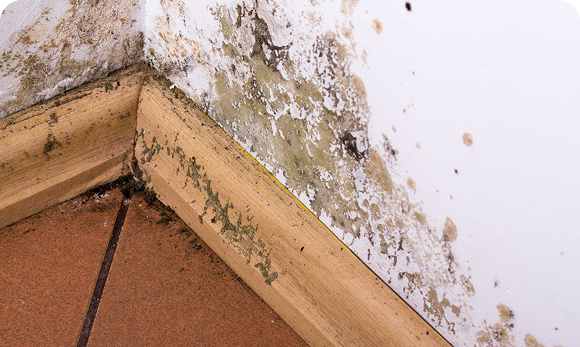
Mold usually does not appear without a reason. In many Irving homes and businesses, it starts with moisture—a plumbing leak, roof intrusion, flooding, condensation, or an area that stayed damp after water damage.
You may notice a musty smell before you see anything. Or perhaps there is a dark spot on drywall, discoloration around a ceiling, or mold that keeps returning after cleaning.
The important question is not simply, “How do I remove this mold?” It is “What caused the moisture, and how far has it affected the property?”
Fires & Water Restoration provides professional mold remediation in Irving, TX for residential and commercial properties. Our approach focuses on identifying the moisture source, assessing affected areas, controlling the spread, removing affected materials when necessary, and restoring the property.
Need mold remediation in Irving? Call 972-900-3855 for 24/7 assistance.
Mold needs moisture to grow. If the source of that moisture remains unresolved, cleaning visible growth may only provide a temporary solution.
Common causes of mold in Irving properties include:
Irving also maintains dedicated flood-zone and stormwater resources because certain properties can be affected by drainage and floodplain conditions. The city directs residents to FEMA flood maps to determine whether a property falls within a mapped floodplain.
That makes moisture assessment particularly important after a significant water event. A property may appear dry on the surface while moisture remains inside drywall, flooring, insulation, or other materials.
The goal of remediation is therefore not just to clean what you can see. It is to understand why the area became wet in the first place.
If you discover mold, the natural reaction is to clean it immediately.
That may not address the entire problem.
A small area of visible mold can sometimes be connected to moisture behind a wall, beneath flooring, around plumbing, or above a ceiling. If the source remains active, the growth can return.
When you are looking for mold removal in Irving, TX, the remediation process should consider:
This is the difference between treating a visible symptom and addressing the property condition that allowed the mold to develop.
Mold is not always found on an obvious surface.
It can develop behind drywall, underneath flooring, around plumbing penetrations, inside cabinets, above ceilings, in attics, or near HVAC components.
You may notice indirect warning signs first.
A musty odor can remain even when visible growth is limited.
Recurring mold may indicate that moisture has not been fully addressed.
Stained or swollen materials can suggest previous or ongoing water intrusion.
Persistent condensation can create damp conditions in bathrooms, utility areas, or around HVAC equipment.
If you have cleaned the same area more than once and the problem keeps coming back, it is worth looking beyond the surface.
A mold problem at home can be especially frustrating because the affected area may be part of a bedroom, bathroom, kitchen, living space, or other regularly used area.
Irving homes can develop mold following:
The remediation approach depends on the location and condition of the affected materials.
For example, mold associated with a small bathroom leak may require a different approach from mold discovered throughout an area following significant water intrusion.
The objective is to address the affected area without creating unnecessary disruption to the rest of the home.
Commercial properties have another layer of complexity.
An unresolved mold problem can affect offices, retail spaces, rental properties, equipment, inventory, employees, tenants, or normal business operations.
Fires & Water Restoration provides mold remediation for commercial properties in Irving, with attention to the source of moisture and the affected portion of the building.
The process may involve:
For property managers and business owners, the objective is to understand the problem clearly and address it in a controlled manner.
Every property is different, but a structured remediation process helps keep the work focused.
We begin by examining visible mold, water damage, moisture conditions, and materials around the affected area.
The goal is to understand what can be seen and identify conditions that may require further investigation.
The next step is determining what caused the moisture.
It could be a leaking pipe, roof intrusion, flooding, HVAC condensation, poor ventilation, or another source.
Without addressing that condition, mold may return.
Depending on the location and extent of the problem, affected areas may need to be isolated to help limit the movement of mold-containing materials or airborne particles into unaffected spaces.
Not every material needs to be removed.
Salvageable surfaces may be cleaned and treated as appropriate, while materials that are heavily damaged or cannot be reasonably restored may require removal.
The approach depends on the actual condition of the property.
Drying is an important part of remediation.
The affected area should not simply look dry. Moisture conditions need to be addressed so that the same environment that contributed to the mold problem is not left behind.
Mold and moisture can damage drywall, flooring, ceilings, insulation, and other building materials.
Once remediation is completed, damaged portions of the property may require repair or restoration.
Mold and water damage often become connected during the same restoration project.
A leaking pipe may introduce water into a wall. A roof leak can affect insulation and ceilings. Flooding can saturate flooring and lower wall sections. Storm-related water intrusion can affect several areas at once.
The visible water may disappear before the property is completely dry.
That is why signs such as a persistent odor, damp materials, discoloration, swollen flooring, or recurring mold deserve attention after a water event.
If the mold developed because of a leak, flooding, or another water problem, our Water Damage Restoration service can address the broader moisture-related issue.
For urgent water situations, our Emergency Water Damage Restoration service is also available.
Storm-related water intrusion can create a different type of mold risk because moisture may enter through several parts of a property at the same time.
Roof damage, overflowing drainage, water entering through exterior openings, or localized flooding can leave moisture in building materials that are difficult to dry.
Irving’s stormwater management program addresses drainage and flood-related concerns across the city, and the city provides flood-zone information for property owners.
For a property owner, the practical concern is simple: if water entered the building, make sure the affected materials actually dried.
If mold appears after a storm or water intrusion, remediation should consider both the visible growth and the moisture event that preceded it.
Our Storm Damage Restoration service can also help when mold is connected to a larger storm-related property damage situation.
If you searched “mold remediation Irving TX,” you are probably not looking for a generic article about mold.
You want to know what is happening inside your property and what should happen next.
Maybe you found mold after a plumbing leak. Maybe there is a persistent smell in one room. Perhaps your property recently experienced water intrusion and you are concerned that moisture remains behind the walls.
Fires & Water Restoration provides 24/7 mold remediation support for Irving homes and businesses.
Our focus is on understanding the affected area, identifying the moisture source, controlling the problem, and helping restore the property.
Irving mold removal is often discussed as though the job begins and ends with removing visible growth.
In practice, the surrounding conditions matter.
If mold is growing because of a continuing plumbing leak, removing the visible material does not solve the leak.
If mold developed after flooding, cleaning the surface does not necessarily address moisture trapped underneath.
If a musty odor comes from a concealed area, treating a visible wall may not address the actual source.
That is why our approach considers the mold, moisture, affected materials, and restoration needs together.
Mold remediation is a property-restoration service. It requires more than making an affected surface look clean.
Our approach considers the condition of the property and the source of the moisture.
You can expect:
We also serve other North Texas communities, including Dallas, Fort Worth, Plano, Frisco, Garland, McKinney, Arlington, and Grand Prairie.
Mold can be a standalone problem, but it can also develop after water intrusion.
If your Irving property has experienced a leak, flood, storm, or other water event, the underlying damage may need to be addressed alongside the mold.
You can explore our Mold Damage Restoration service for broader information about mold-related restoration.
For properties affected by significant water intrusion, Water Damage Restoration can address the larger moisture problem.
You do not have to wait for mold to spread before taking the problem seriously.
If you notice visible growth, recurring mold, a persistent musty odor, water staining, or moisture following a leak or storm, professional assessment can help determine what is actually happening.
Fires & Water Restoration provides mold remediation in Irving, TX for residential and commercial properties, with 24/7 assistance.
Call 972-900-3855 to discuss the condition of your property and determine the appropriate next step.
Whether you need mold removal in Irving TX after water damage or are dealing with an ongoing moisture problem, our team can help you move from identifying the problem toward proper cleanup and restoration.

We follow a structured process for every mold remediation case.
We locate visible and hidden mold areas.
We isolate affected zones to prevent spread.
We safely remove mold from all affected surfaces.
We clean indoor air and remove airborne spores.
We repair and restore affected areas.
This ensures safe and complete recovery in Irving properties.
TestimonialsReal stories from customers who trusted us to restore their peace of mind.

“They arrived within an hour after our water heater burst. The team was kind, fast, and incredibly thorough.”
Satisfied Client
“After a kitchen fire, they handled everything from cleanup to rebuilding. I couldn’t believe how good the house looked afterward.”
Satisfied Client
“Professional, patient, and honest. They helped us navigate insurance and made the process easy.”
Satisfied Client
FAQsWe provide 24/7 emergency support in Irving and nearby areas. If you see mold, smell a musty odor, or notice water damage, contact us as soon as possible.
Mold grows when moisture stays in a building. Common causes include plumbing leaks, roof leaks, flooding, storm damage, poor ventilation, HVAC moisture, and water damage that was not fully dried.
Yes. Mold can grow behind walls, under floors, inside cabinets, above ceilings, in attics, and around HVAC areas. A musty smell can also be a sign of hidden moisture or mold.
Yes. We provide mold remediation for homes and businesses in Irving. We can help with mold in houses, offices, retail spaces, rental properties, and other buildings.
We assess the affected area and determine the right way to handle the mold. Our process may include containment, removal of affected materials, cleaning, drying, and restoration.
The process may include inspection, finding the moisture source, containment, mold removal, cleaning, drying, and restoration. The exact steps depend on the condition of the property.
Where we offer our servicesMold spreads quickly and becomes harder to remove over time. Fast action is important.
If you need mold remediation in Irving, call now for immediate help.
Fires and Water Restoration is available 24/7 across Irving.









Our mission is simple: restore your property and peace of mind with speed, compassion, and expertise.
© 2026 Fires & Water Restoration All rights reserved. Designed By 
 972-900-3855
 info@firesandwaterrestoration.com


