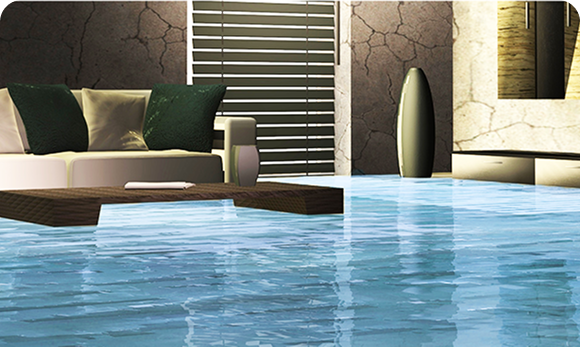
Water damage can disrupt a home or business quickly. A burst pipe, failed water heater, appliance leak, plumbing backup, roof leak, or storm-related intrusion can send water into flooring, walls, cabinets, ceilings, and other areas that may not be visible from the surface.
When that happens, waiting for the property to dry on its own can allow moisture to remain in building materials and create a larger restoration problem.
Fires & Water Restoration provides 24/7 water damage restoration in Plano, TX, helping residential and commercial property owners respond to water emergencies, remove affected water, control moisture, clean impacted areas, and determine the appropriate restoration steps.
If your property has experienced sudden water damage, call 972-900-3855 for immediate assistance.
Water damage restoration is more than removing standing water from a floor.
Water can travel beneath flooring, behind drywall, underneath cabinets, through insulation, and into other concealed spaces. A room may look relatively dry while moisture remains inside materials that can continue to deteriorate.
That is why the first priority is understanding the full extent of the water intrusion.
Our approach focuses on identifying the source, assessing the affected areas, removing standing water, controlling remaining moisture, cleaning impacted areas, and evaluating what needs to be restored.
For an overview of our complete restoration services, see our Water Damage Restoration service.
The appropriate response depends on several factors, including:
A small plumbing leak and a major flood require very different restoration strategies. Professional assessment helps establish what the property actually needs.
Water emergencies can happen in almost any type of property.
Plano includes established residential neighborhoods, newer developments, apartments, offices, retail properties, restaurants, medical facilities, and larger commercial buildings. Each property has different plumbing systems, construction materials, layouts, and potential points of water intrusion.
Common causes of water damage include:
Some problems develop slowly. A small leak beneath a sink or behind an appliance may remain unnoticed until flooring, cabinets, or nearby walls show signs of moisture.
Others happen suddenly. A burst pipe or failed water heater can release a substantial amount of water in a short period.
In either situation, identifying the source and limiting further water entry should be treated as an immediate priority.
When you discover water damage, start with safety.
If it is safe to do so, stop the water source or shut off the appropriate water supply. If water has reached electrical outlets, appliances, wiring, or electrical equipment, avoid entering the affected area until it can be determined that the area is safe.
Move people and pets away from unsafe areas.
If practical, document the visible damage with photographs or video before cleanup begins. This documentation may also be useful when communicating with your insurance company.
Then contact a professional restoration team.
Do not assume that a towel, fan, or household vacuum will resolve the problem. Surface water may disappear while moisture remains underneath flooring, inside drywall, beneath cabinets, or within other building materials.
Professional water damage restoration in Plano addresses both visible water and concealed moisture.
If the water involves sewage or another potentially contaminated source, avoid direct contact and allow trained restoration professionals to determine the appropriate cleanup process.
Water damage inside a home can spread farther than expected.
A plumbing failure in a bathroom can affect adjoining flooring. A leaking washing machine can damage cabinets and subflooring. A water heater failure can release water into nearby rooms. A roof leak can leave moisture around ceilings, insulation, and wall cavities.
Our residential water damage restoration service in Plano is designed around the condition of the property and the source of the water.
We can assist with:
The objective is to stabilize the affected area, remove excess water, identify remaining moisture, clean affected areas where appropriate, and establish the restoration work required.
For homeowners who need more detailed information about residential recovery, visit our Residential Water Damage Restoration service.
For a business, water damage can affect more than the physical structure.
An office, retail store, restaurant, warehouse, medical facility, or other commercial property may also have to deal with damaged equipment, inventory, flooring, walls, furnishings, and interruptions to normal operations.
That makes an organized response particularly important.
Our commercial water damage restoration service focuses on understanding the affected areas, removing water, managing moisture, cleaning impacted spaces, and identifying the next restoration requirements.
The restoration approach can vary depending on the type of building and the materials or contents affected.
For example, a water loss in an office may primarily involve flooring and drywall, while a larger commercial property may have multiple affected rooms, equipment, storage areas, or operational spaces.
Early professional assessment provides a clearer understanding of what needs attention first.
Every water emergency is different, but a structured process helps keep the restoration work organized.
The process begins by identifying the apparent source of the water and determining which areas and materials may have been affected.
The assessment should consider visible water as well as areas where moisture may have traveled beyond the original incident.
Standing water is removed from affected areas using appropriate extraction equipment.
The objective is to reduce the amount of water present and prevent continued exposure of building materials.
Water extraction is only one part of restoration.
After standing water is removed, affected areas need to be evaluated for remaining moisture. Drying may involve floors, walls, ceilings, cabinets, and other materials depending on the circumstances.
The goal is to reduce moisture rather than simply make the surface appear dry.
Affected areas and contents are evaluated for appropriate cleaning based on the type and extent of water exposure.
Different water sources can present different cleaning requirements, so the restoration approach should reflect the actual condition of the property.
Not every water-damaged material requires the same solution.
Some materials may be suitable for restoration, while others may require repair or replacement depending on their condition and the extent of exposure.
Once the property has been stabilized and the required work has been identified, restoration can move forward.
The final objective is to return the affected areas toward their previous condition through appropriate repair and restoration work.
Storms can introduce water into a property through damaged roofing, openings around the exterior, doors, windows, drainage problems, or other vulnerable points.
Plano also maintains city resources addressing floodplains, stormwater, drainage, and flood safety. These resources are important considerations for local property owners, particularly when severe weather creates the potential for water intrusion.
For a property owner, however, the immediate concern is what happens once water enters the building.
Storm-related water can affect:
The extent of the damage depends on the amount of water, the duration of exposure, the entry point, and the materials involved.
If your Plano property has experienced storm-related water intrusion or flooding, professional assessment can help determine how far the water has traveled and what restoration steps are required.
One of the most important aspects of water restoration is addressing moisture that cannot be seen.
Water can move beneath flooring and into areas behind walls or cabinets. Porous materials can absorb moisture and remain damp after surface water has been removed.
This is why simply wiping down the affected room may not be enough.
Persistent dampness, discoloration, or a musty odor after water damage should not be ignored. The affected area should be evaluated to determine whether moisture remains and whether additional restoration is necessary.
Early moisture control can help limit the progression of water-related damage.
Water damage and mold concerns can become connected when moisture remains inside a property.
Mold does not result from every water incident, but prolonged moisture can create conditions that support microbial growth. This is particularly relevant when drywall, flooring, insulation, cabinetry, or other porous materials remain damp.
If your property has experienced water damage and later develops persistent moisture, staining, or musty odors, the affected areas should be evaluated.
Fires & Water Restoration also provides Plano Mold Remediation for properties requiring mold-related restoration services.
The priority remains the same: identify the affected area, understand the underlying moisture condition, and determine the appropriate restoration response.
Water emergencies do not follow a convenient schedule.
A pipe can burst overnight. A water heater can fail while a property is vacant. An appliance can leak after business hours. Severe weather can introduce water into a building when immediate action is needed.
Fires & Water Restoration provides 24/7 emergency water damage restoration in Plano.
When calling for assistance, provide useful information about the situation, including:
Clear information helps the restoration team understand the nature of the emergency and prepare for the appropriate response.
Plano is a large North Texas community with a mixture of established neighborhoods, newer residential developments, apartment communities, commercial centers, offices, retail properties, and other facilities.
That variety matters when responding to water damage.
A water loss inside an established home may involve different materials and access considerations than a water emergency inside a newer commercial property. Likewise, a roof-related water intrusion requires a different assessment from a plumbing failure beneath a kitchen sink.
Our Plano water damage restoration service is focused on the property in front of us rather than applying the same assumptions to every situation.
Water damage can create a second challenge after the immediate emergency: documenting the loss.
Photographs, videos, descriptions of damaged areas, and restoration documentation can help property owners communicate the extent of the damage to their insurance provider.
Fires & Water Restoration can provide restoration-related documentation and assistance with the claim coordination process.
However, insurance coverage depends on the individual policy and circumstances. Property owners should communicate directly with their insurance provider regarding coverage, deductibles, exclusions, and claim requirements.
The restoration process should focus first on protecting the property, addressing the water damage, and documenting the condition as accurately as possible.
When water enters your property, you need a restoration team that understands the difference between removing visible water and addressing the broader moisture problem.
Fires & Water Restoration provides:
Our approach is centered on the condition of the property, the source of the water, the materials affected, and the restoration work required.
The goal is to help property owners move from an unexpected water emergency toward a clear and organized recovery process.
Water damage can become more difficult to manage when moisture is allowed to remain inside a property.
Whether the problem involves a burst pipe, appliance leak, failed water heater, plumbing backup, roof leak, storm intrusion, or flooding, professional assessment can help determine the actual extent of the damage and the appropriate restoration steps.
Fires & Water Restoration provides 24/7 water damage restoration in Plano, TX.
If water has entered your home or business, do not wait for visible damage to become more extensive.

We follow a structured process for every water damage case.
We check water source and damage level.
We extract standing water from all affected areas.
We dry walls, floors, and hidden moisture zones.
We clean affected areas and prevent contamination.
We restore damaged structures and rebuild affected areas.
Each step ensures complete recovery in Plano properties.
TestimonialsReal stories from customers who trusted us to restore their peace of mind.

“They arrived within an hour after our water heater burst. The team was kind, fast, and incredibly thorough.”
Satisfied Client
“After a kitchen fire, they handled everything from cleanup to rebuilding. I couldn’t believe how good the house looked afterward.”
Satisfied Client
“Professional, patient, and honest. They helped us navigate insurance and made the process easy.”
Satisfied Client
FAQsWe provide 24/7 emergency water damage response across Plano and nearby areas.
Yes, mold can start within 24–48 hours after water exposure.
Yes, we provide full basement water extraction and drying.
Yes, we also serve Frisco, McKinney, Allen, and Richardson.
Turn off water source if safe and call emergency restoration immediately.
Yes, we assist with documentation and claim support.
Where we offer our servicesWater damage spreads quickly and becomes worse if delayed. Fast action helps reduce repair costs and prevent mold.
If you need water damage restoration in Plano, call now for immediate help.
Fires and Water Restoration is available 24/7 across Plano.









Our mission is simple: restore your property and peace of mind with speed, compassion, and expertise.
© 2026 Fires & Water Restoration All rights reserved. Designed By 
 972-900-3855
 info@firesandwaterrestoration.com


