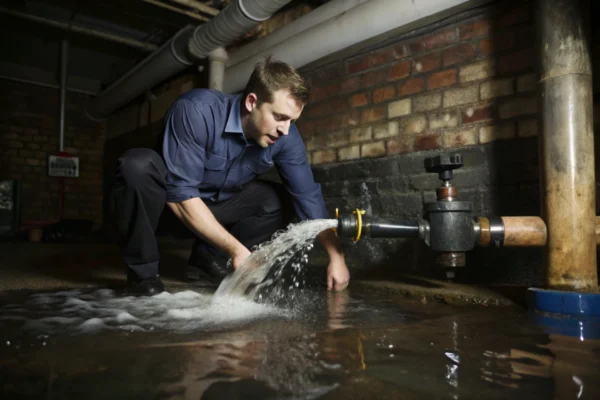
Burst pipes, overflowing appliances, sewage backup, storms, or plumbing failure are ways that water damage can occur at a moment’s notice. All water damage problems can impact your property, but not all water is contaminated to the same degree.
Knowing the categories of water damage can help homeowners know what they are up against and why some situations call for quicker and more specialized water damage restoration.
There are three major types of water damage, namely Category 1, Category 2, and Category 3. There are various types of contamination levels and health risks in each category.
The classification of water damage depends on the source of water and the level of contamination it may have. This classification assists in deciding on the most suitable cleanup, drying, and safety measures for restoration professionals.
These are the basic levels of:
These categories are significant as contaminated water will pose health risks and potentially greater restoration needs.
Category 1 water damage refers to water originating from a clean or sanitary source and generally not having a large amount of contaminants.
While Category 1 water is the least dirty type of water, it can still cause significant damage to property. Long-term exposure on floors, walls, or ceilings can cause mold growth and damage to materials and the structure.
Why Prompt Action Matters
Water may become contaminated as it stands, comes in contact with dirt or other building components, or becomes contaminated by other water sources. Rushing out and drying as quickly as possible can minimize further damage.
Restoration experts will be able to locate areas, shovel out water, dry out materials, and inspect for moisture that is not visible.
Water in Category 2 water damage is contaminated to a greater degree and may contain microorganisms or other materials which can cause illness if ingested or come into contact with the skin.
This water is not considered “normal” spill water. It can spread contamination to other items such as flooring, walls, furniture, etc.
More Than Just Water
Gray water can have cleaning chemicals, food debris, detergents, or other pollutants. The level of contamination may be increased, depending on the length of time the water has been in contact with the material and what constitutes the contamination.
Appropriate protective equipment and cleaning procedures are used by professional restoration teams to safely remove contaminated materials and restore the property.
Category 3 water damage is the most contaminated of the three. It may be contaminated with dangerous bacteria, viruses, chemicals, sewage, and other contaminants.
Black water is always a health and safety issue, and should be treated as such.
Professional Cleanup is Crucial
When dealing with Category 3 contamination, try to stay out of contact with the water as much as possible. Avoid cleaning heavily contaminated areas without the necessary protective equipment and methods.
Experts can identify affected areas, remove contaminated materials with care, pump out water, sanitize and disinfect surfaces, and completely dry the building.
Clean water, gray water, and black water are terms that help to explain the difference in approaches used to clean up water damage.
Clean water is provided by sanitary water sources like broken water lines, faucets, or some rainwater. It is less polluted than other water, but can cause damage to flooring, walls, ceiling, and personal property if not removed promptly.
Gray water may be from washing machines, dishwashers, overflowing toilets that do not contain feces, or other household appliances and is more likely to contain contaminants. Should be handled carefully as it may cause health and sanitation issues with long-term exposure.
Black water is very dirty and could contain sewage, microorganisms, chemicals, and other hazardous materials. Examples include sewage backup and contaminated flood water. Black water cleanup needs to be done by trained restoration professionals with proper safety measures.
When water invades your home or business, it’s important that you know the difference between Category 1 water damage, Category 2 water damage, and Category 3 water damage.
Although clean water might seem less of a problem, any water damage should be addressed promptly. Grey water will need extra precautions, and black water should be dealt with by trained personnel, following appropriate safety procedures.
Understanding the differences between these categories can help you make informed decisions and get the right restoration services before the damage spreads.
Don’t let stagnant water and contamination damage your property. Call Fires & Water Restoration today to have your home or business restored to a safe, dry environment and have the water damage assessed.
Posted by admin at 28 Sep Roof-Leak Water Damage: How to Find Hidden Moisture and Prevent Interior Damage

Posted by admin at 21 Sep Water Damage Restoration Near Me: Find Fast, Reliable Local Help
Posted by admin at 21 Sep Fire Damage Restoration: What to Do After a House Fire
Posted by admin at 21 Sep How Professional Structural Drying Works After a Flood or Plumbing Leak
Posted by admin at 14 Sep What Can Be Saved After Water Damage—and What Usually Must Be Replaced?


Our mission is simple: restore your property and peace of mind with speed, compassion, and expertise.
© 2026 Fires & Water Restoration All rights reserved. Designed By 
 972-900-3855
 info@firesandwaterrestoration.com


