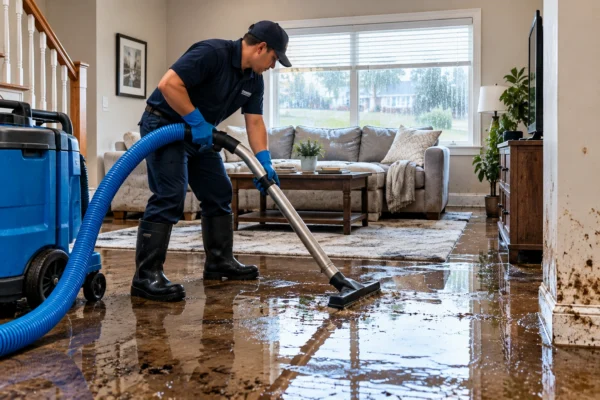
Water damage can make your home or business appear unrepairable. Damp floors, walls with stains, furniture with liquid on it, and wet clothes are scenarios that may cause you to think about what still can be saved. Fortunately, there is no need to get rid of anything impacted by water.
Knowing what can be saved after water damage can help make practical choices and lower expenses.
The first thing to consider is the type of water being used. Sewage backup or toilet overflow water is more contaminated than broken supply line water. Some porous materials should not be used to restore gray or black water, as they can harbor harmful bacteria and other contaminants.
Next, think about how long the material was wet. The faster water is removed and dried, the less further damage, mold growth, staining, swelling, and deterioration can occur.
The material is also important. Water may penetrate deep into the fibres and structure of porous surfaces, making them easier to clean and disinfect.
Drywall is one of the materials that should be thoroughly assessed post-flood or leak.
The water can soften, make the drywall swell, stain, or cause it to be structurally compromised. In these instances, water-damaged drywall replacement is essential.
But not all the time does it mean that the whole wall should be removed if it is a little bit moist. Expert assistance can be provided to check the affected area, check the moisture content, and see if drying is feasible.
Insulation behind the drywall should be addressed, too. Wet insulation can remain wet for a long time and may have to be removed based on the material and amount of moisture.
Many homeowners often ask, ” Can wet carpet be saved? This depends on the source of the water and the speed of drying the carpet.
Carpet that comes into contact with clean water can be professionally removed, washed, and dried at times. The carpet padding is more challenging because it is able to absorb and hold moisture. Even in situations where it is possible to restore a carpet, the saturated padding will often be replaced.
Most of the time, if carpet has come into contact with sewage or contaminated water, or has been exposed to flood water, replacing the carpet is safer.
This is crucial for quick extraction, as extended moisture can result in odours, microbial growth and harm to the subfloor.
Water damage can affect hardwood floors, and in some cases, it is possible to restore them.
But with extended exposure, boards may swell, buckle, warp, or split. In extreme cases, professionals might have to cut out damaged areas and decide if the rest of the flooring can be dried and refinished.
Some vinyl flooring and tile tend to be more water-resistant. However, moisture can seep through beneath them and may compromise the subfloor or adhesive.
This is why drying isn’t a good indicator of complete elimination of the problem.
Solid wood furniture may also be cleaned, dried, repaired, and refinished at times. In cases where corrosion has not severely affected the metal furniture, it may also be cleaned and restored.
The upholstered version is more complex, as cushions and fabric might absorb polluted water. If it has been exposed to clean water and dried in a timely manner, professional cleaning and drying services may be able to restore the item.
In more severe cases, water-damaged furniture restoration may require disassembly, specialized drying, cleaning, deodorizing, and refinishing of the furniture.
Furniture made using particleboards or similar materials can swell greatly, absorbing water. When the structure has become so worn, it may be more feasible to replace the structure.
Water damage may be limited to some doors, baseboards, trim, and cabinets.
Properly treated and handled, solid wood parts can dry successfully. Some may be hard or impossible to save, however, because of swelling, warping, separation, or delamination.
Engineered wood cabinets are especially susceptible to moisture, especially when it is present for extended periods. While an exterior area may look fine, interior areas can still be damp.
All wet building components go in the trash is not a rule. Salvageable building materials include some hardwoods, solid wood trim, metal fixtures, tile, and other non-porous materials.
The point isn’t that everything that looks like it’s been dried is usable. Moisture, contamination, structural condition, and potential for hidden damage should all be checked on materials.
Attempting to salvage a contaminated or structurally compromised item can lead to greater issues down the road.
Read more: What Happens During the First 24 Hours After Water Damage?
Being devastated by water does not require that you have to start over. While some materials can be cleaned, dried, repaired, and restored, others are safer and cheaper to replace.
The choice of the right decision depends on the material, water source, level of contamination, and extent of the damage. Prompt action and professional evaluation can help minimize damage to your property and avoid an extensive restoration job.
Experts at Fires & Water Restoration can determine the extent of the damage, what materials can be salvaged, and what items must be professionally replaced.
Do not let any moisture and damaged materials sit and “wait”. Get in touch with us today to get your property back to normal.
Posted by admin at 28 Sep Roof-Leak Water Damage: How to Find Hidden Moisture and Prevent Interior Damage
Posted by admin at 21 Sep Water Damage Restoration Near Me: Find Fast, Reliable Local Help
Posted by admin at 21 Sep Fire Damage Restoration: What to Do After a House Fire
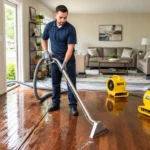
Posted by admin at 21 Sep How Professional Structural Drying Works After a Flood or Plumbing Leak
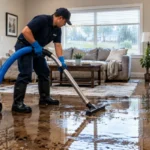
Posted by admin at 14 Sep What Can Be Saved After Water Damage—and What Usually Must Be Replaced?







Our mission is simple: restore your property and peace of mind with speed, compassion, and expertise.
© 2026 Fires & Water Restoration All rights reserved. Designed By 
 972-900-3855
  info@firesandwaterrestoration.com

