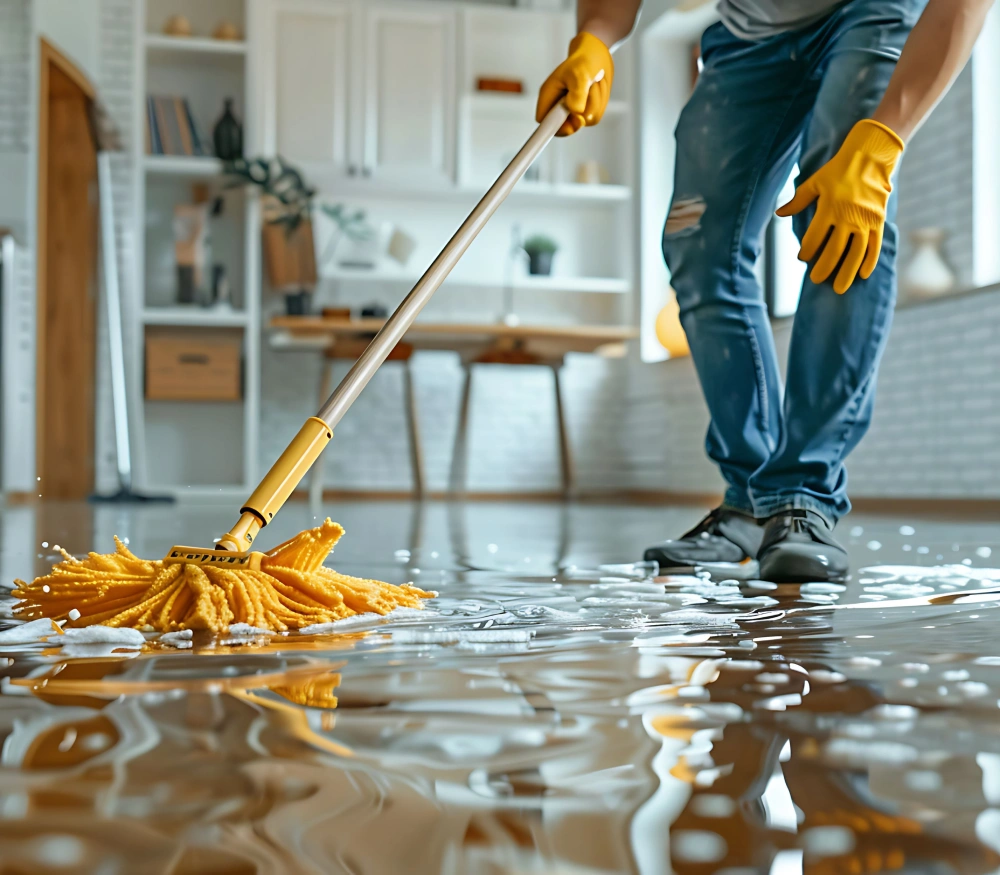
Fire damage goes beyond burned walls and ceilings. Furniture absorbs smoke odors, electronic equipment can suffer from hidden electrical damage, and valuable documents can be stained or wet while firefighting. Contents restoration after fire can help recover these items, if possible, minimize replacement expenses, and save valuable items.
Knowing what happens during contents restoration after a fire can help property owners understand what to expect and make informed decisions. Cleaning, drying, and restoration procedures vary from item to item depending on the material, condition, and heat, smoke, and water exposure.
Smoke, soot, heat, and moisture are common problems in furniture. Items that look unharmed can still have potent odors or residue.
Smoke and Soot Removal: Restoration experts check for soot and smoke damage on furniture. They clean with appropriate techniques to ensure that residue is removed while avoiding stains and damage to delicate surfaces. Some upholstered furniture may need special cleaning, and wooden furniture should be cleaned with products suitable for its finish.
Odor Treatment: Smoky odors can seep into fabric, cushions, and wood. Special deodorizing equipment and treatments can be used by professionals to minimize any residual odors. Furniture that has been severely burned or heavily contaminated might not be salvageable.
Drying and Repairs: Water used to extinguish a fire may make furniture damp, which can lead to mold, swelling, and warping. The controlled drying process helps to minimize additional damage. Technicians assess furniture for cleaning and repair or replacement during contents restoration after a fire.
Heat, smoke, soot, and water can harm televisions, computers, kitchen appliances, and other electronic equipment. They may not show it on the outside.
Inspection and Assessment: Professionals identify devices that are affected and record their condition. They assess the visible damage and contamination before determining if restoration can be done.
Soot and Residue Removal: Fine soot can get into vents and deposit on internal parts. With the proper cleaning techniques, trained professionals can remove contaminants from the device without causing further damage, depending on the device.
Moisture and Electrical Safety: Water can corrode circuits, creating electrical hazards. Electronics exposed to firefighting water or a large amount of smoke should not be turned on until qualified personnel inspect them for safety. Some devices may need to be repaired by a specialist, and others may not be safe or expensive to repair.
Fire damage restoration can determine which electronics can be professionally cleaned and repaired. But cleaning doesn’t mean all devices will be working properly.
Property deeds, insurance documents, photos, certificates, and business records may be of great financial or sentimental value. Paper can be damaged by fire, smoke, and water in various ways.
Cleaning and Stabilization: Experts determine the degree of charring, soot, staining, and moisture damage. Care must be taken with fragile documents to avoid tearing or further deterioration.
Drying and Recovery: Wet papers can stick together, get moldy, or become hard to read. Specialists may employ controlled drying and other document recovery methods, depending on the condition of the documents.
Digital Preservation: If the condition of the important records permits, they may also be scanned or photographed. Digital copies add an extra layer of security in case of future loss.
Not all documents can be retrieved, especially if the paper is heavily burned. When the professional assessment is made early, there is a higher likelihood of keeping readable information.
Typically, the restoration process starts with a thorough inventory of affected property. Experts classify items based on their condition and restoration value. If needed, salvaged contents are then carefully packed and delivered to an appropriate cleaning or restoration facility. Technicians treat, remove contaminants, dry affected materials, and treat odours on an item-by-item basis.
Restored items are inspected after cleaning before returning to the property. Any items that cannot be recovered are documented for replacement and insurance claims. Professional contents restoration after fire also allows property owners to not have to throw away items that may be salvaged.
Content restoration can assist property owners in recovering valuable items after a fire. Each piece of furniture, electronics, and documents must be treated differently depending on the damage type and severity. Professional assessment can determine what can be salvaged, what requires repair, and what needs replacement.
Is your home or business affected by fire? Call Fires and Water Restoration for contents restoration services. Our team can evaluate affected items, suggest appropriate recovery options, and assist you in moving forward with your property recovery. Get in touch with us today to discuss your requirements.
Posted by admin at 30 Oct Restoration vs Reconstruction: Which Does Your Damaged Property Need?
Posted by admin at 22 Oct Emergency Board-Up After a Fire: When It Is Needed and What It Protects
Posted by admin at 15 Oct What Happens to Furniture, Electronics, and Documents During Contents Restoration?
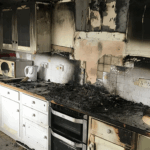
Posted by admin at 08 Oct Types of Soot Damage and Why Each Requires a Different Cleaning Method

Posted by admin at 28 Sep Roof-Leak Water Damage: How to Find Hidden Moisture and Prevent Interior Damage








Our mission is simple: restore your property and peace of mind with speed, compassion, and expertise.
© 2026 Fires & Water Restoration All rights reserved. Designed By 
 972-900-3855
 info@firesandwaterrestoration.com


