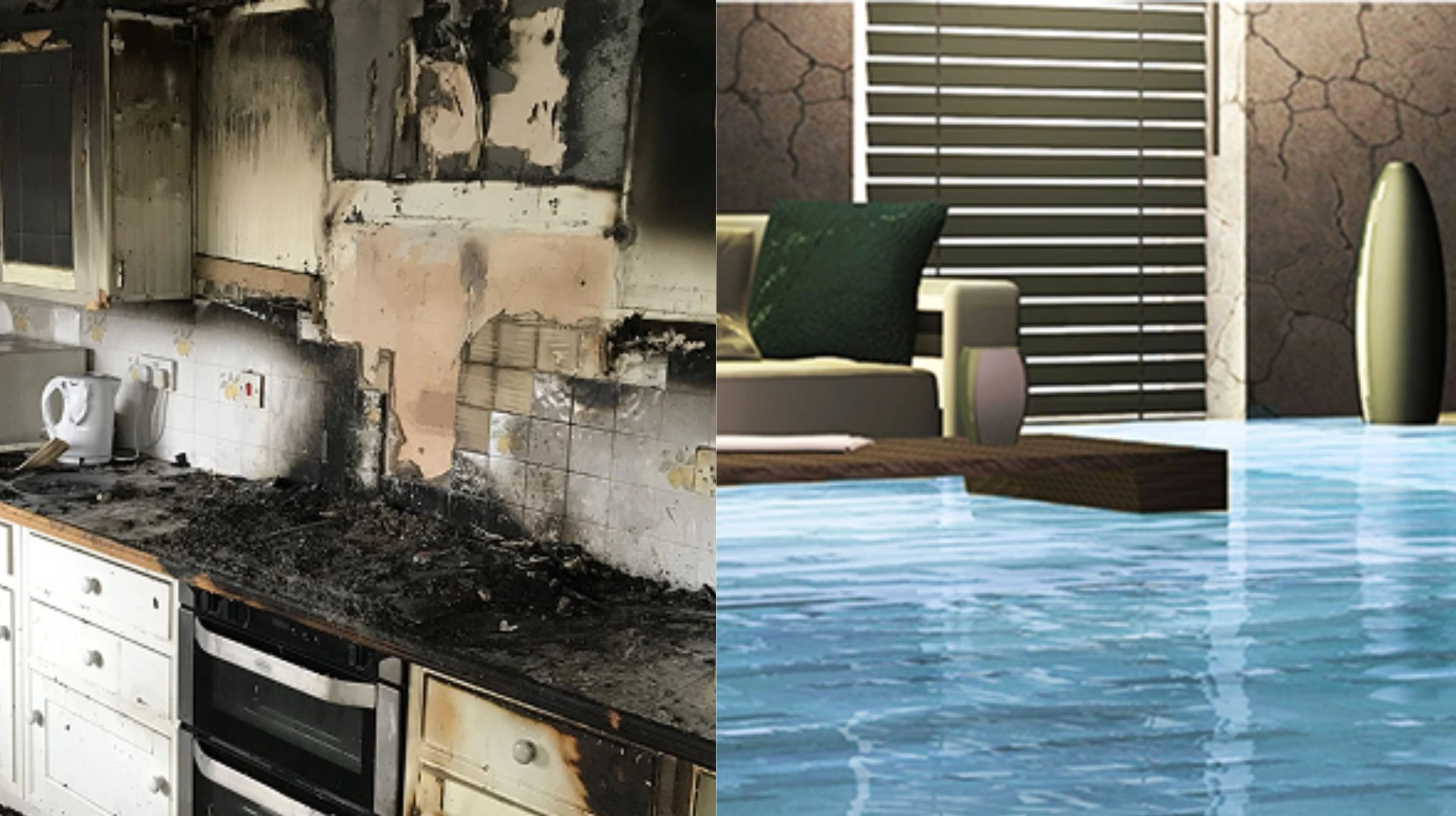
When fire, water, storms, or other unforeseen disasters damage your property, it can leave homeowners in a quandary. Can the damage be repaired, or does a property require extensive rebuilding? Knowing restoration vs. reconstruction can help homeowners decide which method is best, manage expenses, and plan recovery.
Both services are designed to restore a property to a safe and usable state, but they vary in the level of repairs needed, how the work is done, and the scope of the repairs. Understanding when each is suitable can help the recovery process be smoother and more effective.
Property restoration is the process of restoring a property to its former condition, without replacing unnecessary large parts of the structure. It can be appropriate in cases of minor damage and where the building is structurally sound.
Water damage restoration can include water extraction, drying, dehumidification, mold prevention, and repair of damaged walls or floors. After a fire, a professional can clear away soot, smoke residue, eliminate odors, and restore damaged surfaces. The aim is to save as much as possible of the original structure as well as repairing any damage, both visible and hidden. Depending on the extent of the damage, restoration may be more cost-effective and quicker than extensive reconstruction.
Reconstruction is the process of rebuilding parts of a property that have been damaged when they cannot be repaired to ensure that the property is safe, sound, and functional. It could be needed following heavy fires, big floods, structural damage, or widespread storm damage.
It can involve taking out damaged building materials, installing new framing, rebuilding walls, putting in new flooring, and repairing electrical or plumbing systems. In severe cases, whole sections of a building may have to be reconstructed. Reconstruction is a more complex process than simple repairs and may involve additional planning, specialized contractors, permits, and inspections. The time and expense will vary based on the extent of the damage, building needs, availability of materials, and project size.
1. Extent of Damage
Restoration is usually suitable when damage has occurred to surfaces, finishes, or a small portion of buildings. Reconstruction is best suited for situations where there is extensive damage to the structure or portions of the property require replacement.
2. Cost and Timeline
Restoration is typically less labor-intensive and less material-intensive, and therefore less expensive if there is limited damage. Reconstruction is usually more expensive and time-consuming since it requires demolition, reconstruction, and extra inspections.
3. Repair Methods
The focus of restoration is on preservation, repair, and drying, along with cleaning, where possible. Reconstruction involves replacement of damaged parts and reconstruction of areas that cannot be effectively repaired.
4. Safety Requirements
Both processes need to be assessed for safety. But if there is a lot of structural damage, if the foundation is weak, or if the framing has been damaged by fire, rebuilding may be necessary before the structure can be safely occupied.
The solution will vary depending on the type of damage, the severity, and the condition of the building. A professional inspection can help discover issues that might not be readily apparent, like moisture behind walls, mold behind walls, or failing structural materials.
For instance, a small leak that has affected drywall and flooring may just need restoration. If the flooding has been present for a long time and has damaged wall framing, or if there has been extensive fire damage that has damaged structural supports, however, then reconstruction may be necessary.
Another aspect to consider when comparing restoration vs. reconstruction is the cost of repairs, insurance coverage, building codes, and the long-term reliability of the proposed solution. While it’s important to consider the upfront cost of repairs, it’s also crucial to factor in any future costs that might arise if the damage is not addressed.
Restoration vs. Reconstruction is a knowledge area that helps property owners make informed decisions following fire, water, or storm damage. Many problems that can be repaired can be solved with restoration, and other problems that are more extensive can be solved with reconstruction. A professional evaluation can determine what the right solution is, avoid missed problems, and help to have a safe and effective recovery.
Has your property suffered a fire or water damage? Call Fires and Water Restoration for expert damage and restoration services. Our team can help you decide whether you need restoration or reconstruction and help you get your property back to a safe and functional condition.
Posted by admin at 30 Oct Restoration vs Reconstruction: Which Does Your Damaged Property Need?
Posted by admin at 22 Oct Emergency Board-Up After a Fire: When It Is Needed and What It Protects

Posted by admin at 15 Oct What Happens to Furniture, Electronics, and Documents During Contents Restoration?
Posted by admin at 08 Oct Types of Soot Damage and Why Each Requires a Different Cleaning Method

Posted by admin at 28 Sep Roof-Leak Water Damage: How to Find Hidden Moisture and Prevent Interior Damage









Our mission is simple: restore your property and peace of mind with speed, compassion, and expertise.
© 2026 Fires & Water Restoration All rights reserved. Designed By 
 972-900-3855
 info@firesandwaterrestoration.com


