
After a fire, soot can settle on walls, ceilings, furniture, floors, and personal property. A small fire can leave tough stains, foul odor, and harmful particles. But every soot damage is different. The cleaning method depends upon the texture, composition, and source of the product.
Knowing the different types of soot damage can help property owners select the right restoration process and prevent severe damage.
Read the full blog below to learn about the most common types of soot damage and tips to clean them.
Typically, dry soot is produced by fires with high combustion speeds, like wood, paper, or other natural materials. It looks like a very fine, powdery substance that may spread easily on surfaces.
Cleaning Method: For dry soot, use gentle cleaning methods; do not smear. The restoration professionals use special soot sponges and a HEPA-filter vacuum to remove loose particles before using any cleaning solution. Extensive scrubbing should be avoided as it can push soot deeper into porous materials.
Wet soot forms when slow-burning materials, plastics, rubber, and petroleum-based products catch fire. It is sticky and may have a strong, unpleasant smell.
Cleaning Method: Wet soot is hard to remove using a typical household cleaner. Specialized cleaning procedures and degreasing agents are used to remove the residue. Proper surface preparation is required prior to re-painting/ refinishing damaged areas.
Protein soot is a by-product of overheating food or a kitchen fire. It can leave behind little visible discoloration and cause an extremely strong odor, but it will leave a yellowish film on walls, ceilings, and cabinets.
Cleaning Method: Only special cleaning solutions that are suitable for removing grease and organic deposits should be used for cleaning protein residues. Thorough cleaning and deodorising are crucial, as if you mask the smell with an air freshener, you are not removing the source of the smell.
Soot is a potential problem with fuel oil heating systems, furnaces, and oil-burning appliances when they malfunction and/or burn fuel incorrectly. This leftover can look dark and greasy and can cover areas of rooms and even be found in ventilation systems.
Cleaning Method: The first step towards cleaning is finding and solving the cause of the soot. Proper degreasers, surface-specific cleaners, and specialized equipment are used to remove residues by workers. Additionally, HVAC systems might need to be inspected and cleaned to avoid the circulation of the particles that remain.
Soot formation is possible during high-intensity fires where materials are burned at high temperatures. May blend with smoke residues and impact painted walls, ceiling and metal fixtures, etc.
Cleaning Method: The method used for cleaning will depend on the type of material affected and the extent of the damage. Experts determine if surfaces can be cleaned or if they must be sealed, repainted, or replaced. Prior to restoration, structural damage needs to be assessed.
Read more: Smoke Damage After a Fire: Why It’s More Dangerous Than Most Homeowners Realize
The first step to a successful fire damage restoration is to understand the types of soot damage that occur. This is because soot is different in texture, composition, and cleanliness, and one type of cleaning is not safe in all cases. The identification of residues and the appropriate treatment can help to preserve surfaces, enhance the indoor environment, and avoid unnecessary restoration costs.
After the fire has been extinguished, soot and smoke residue may still cause problems on your property. Fires and Water Restoration can help you evaluate the damage that has happened due to fire and identify the proper steps you need to take to clean the site and restore it. Call our team to discuss your restoration requirements and start the process of restoring your property.
Posted by admin at 30 Oct Restoration vs Reconstruction: Which Does Your Damaged Property Need?
Posted by admin at 22 Oct Emergency Board-Up After a Fire: When It Is Needed and What It Protects
Posted by admin at 15 Oct What Happens to Furniture, Electronics, and Documents During Contents Restoration?
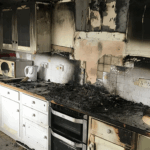
Posted by admin at 08 Oct Types of Soot Damage and Why Each Requires a Different Cleaning Method

Posted by admin at 28 Sep Roof-Leak Water Damage: How to Find Hidden Moisture and Prevent Interior Damage







Our mission is simple: restore your property and peace of mind with speed, compassion, and expertise.
© 2026 Fires & Water Restoration All rights reserved. Designed By 
 972-900-3855
 info@firesandwaterrestoration.com


