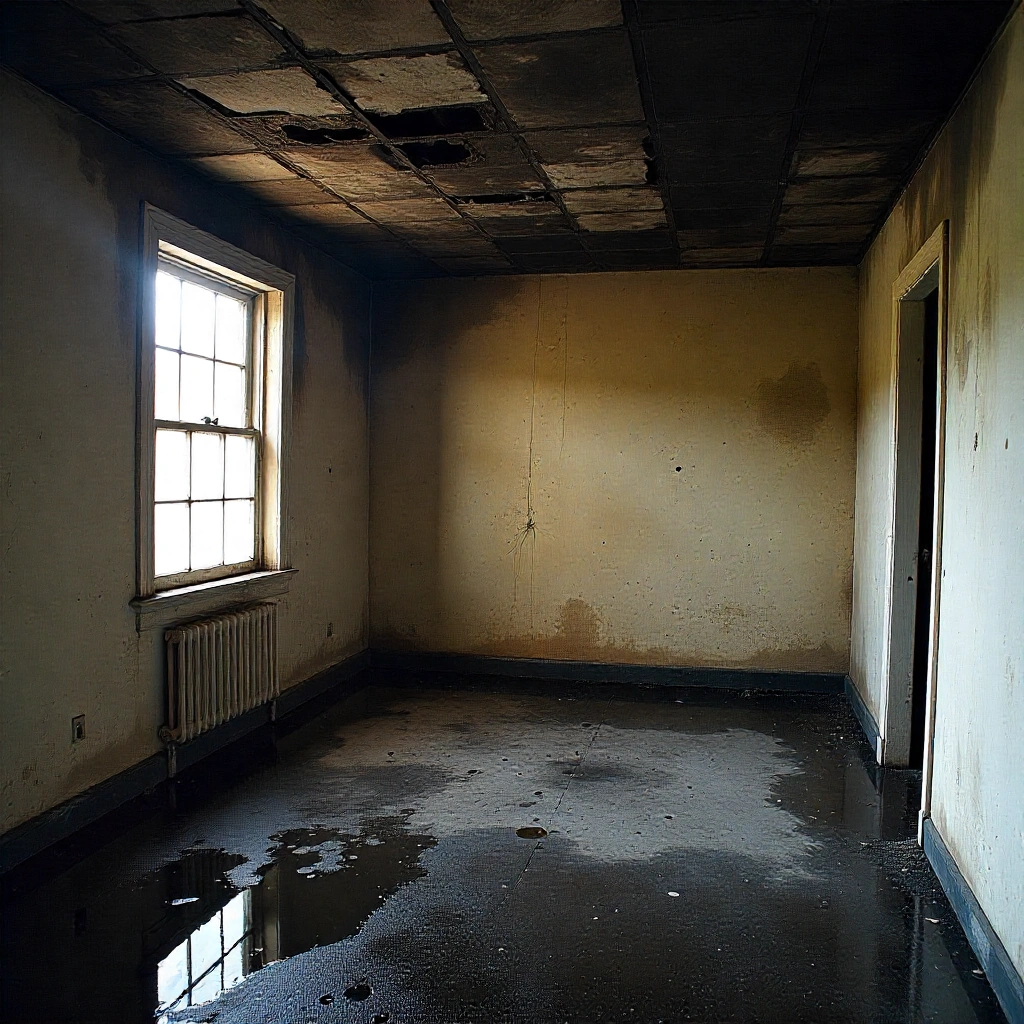
A fire may result in broken windows, damaged doors, exposed walls, and structural openings. The building may be susceptible to weather, theft, vandalism, and additional damage even after the fire has been extinguished. That’s why it is a critical part of property recovery to have an emergency board-up after a fire. It can help secure the building, safeguard possessions, and minimize further losses until the fire damage restoration process starts.
When deciding to hire a board-up service, it is important to understand the need and what it is protecting to be able to make an educated decision.
1. Broken Windows and Glass Doors
Windows and glass doors can break due to high temperatures, falling objects, and firefighting efforts. These openings provide access to the property for rain, wind, dust, and unwanted people. Temporary repair of damaged windows by boarding them up until they can be properly repaired.
2. Damaged Entry Doors
Fire can weaken doors, frames, and locking systems and can make it difficult to lock the home or commercial building. Emergency board-up services provide protection against unauthorised access and the contents inside.
3. Exterior Wall or Roof Openings
Fire can damage roofing materials, siding, and exterior walls. These openings allow the interior to be exposed to weather and debris. Temporary restoration can help prevent further damage until permanent structural repairs are planned.
4. Unoccupied or Uninhabitable Properties
If a property becomes unsafe to live in as a result of a fire, the owner may be required to leave it unattended while it is being restored. Emergency board-up after fire helps to secure vulnerable areas when the property is empty.
Board-up services offer more than just a temporary cover. They can alleviate multiple risks that may make the restoration process more difficult.
Water Damage: Water leaks through holes in the roof or windows may cause damage to the drywall, flooring, insulation, and furniture. Temporary barriers can prevent water from entering and further damaging the site.
Security Against Theft and Vandalism: Fire-damaged properties can be targets for vandalism. Securing accessible openings makes it difficult to gain access, preventing damage or loss to valuable items.
Protection of Remaining Property: A fire can damage part of the property and leave the other part relatively undamaged. Board-up services are designed to safeguard unaffected rooms, equipment, furniture, and personal property from unauthorized access and outside elements.
Less Secondary Damage: Moisture and debris can cause additional damage and prolong the recovery process. Rapidly securing the building helps mitigate these hazards until restoration workers can determine the damage.
The first step is usually to assess the damaged areas that can be accessed and determine openings that need temporary protection, which is usually done by professional technicians. They may cover broken windows, doors, and other weak points with strong boards. Temporary roof coverings or other protection may also be required, depending on the extent of the damage.
The work is to be carried out safely. Structures damaged by fire may have unstable materials, exposed electrical wiring, and weakened building components. Owners should refrain from entering unsafe areas or from making repairs themselves. After the building is secured, restoration professionals can determine the extent of damage, remove debris, clean up smoke and soot damage, and commence with any required repairs. Board-up work is a temporary solution, not a permanent solution to restoration.
Emergency board-up after fire is a critical protection measure for any property with open spaces or weak security. These services reduce exposure to weather, deter unauthorized access, and safeguard undamaged property, thus helping to minimize further losses. Quickly gaining access to the property provides restoration professionals a safer starting point for the next steps in recovery.
Do you have a fire-damaged home or business? Call Fires and Water Restoration for fire damage restoration services. Quick action can help secure your property, prevent further damage, and get you closer to restoring your property.
Posted by admin at 30 Oct Restoration vs Reconstruction: Which Does Your Damaged Property Need?
Posted by admin at 22 Oct Emergency Board-Up After a Fire: When It Is Needed and What It Protects
Posted by admin at 15 Oct What Happens to Furniture, Electronics, and Documents During Contents Restoration?
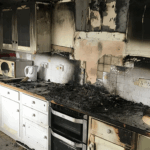
Posted by admin at 08 Oct Types of Soot Damage and Why Each Requires a Different Cleaning Method

Posted by admin at 28 Sep Roof-Leak Water Damage: How to Find Hidden Moisture and Prevent Interior Damage



Our mission is simple: restore your property and peace of mind with speed, compassion, and expertise.
© 2026 Fires & Water Restoration All rights reserved. Designed By 
 972-900-3855
 info@firesandwaterrestoration.com


