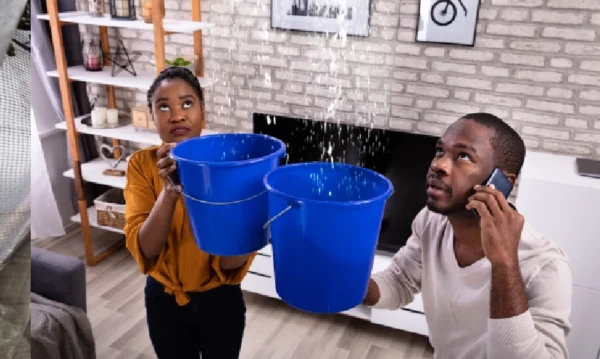
The problems that can arise with a roof leak can be as small as one broken shingle, cracked flashing, or a seal that has worn out. However, when water enters your home, the damage can be more than apparent.
Water could penetrate roofing materials, insulation, ceilings, and walls and leave stains that are not seen. Early detection of moisture can help avoid costly repair work and minimize the potential for mold, structural damage, and material deterioration.
A ceiling stain can be just the tip of the iceberg. Infiltrating water can travel along the rafters, insulation, drywall, and other building surfaces.
It is for this reason that roof leak situations should be checked sooner rather than later in order to find a solution for the water damage that has occurred on the ceiling. Drying up an obvious stain is not enough to deal with moisture that has penetrated above the ceiling or within the wall.
Moisture can still be trapped when the roof is repaired. These moist materials can cause issues if not inspected and dried.
Stains and Discoloration
Water intrusion is usually indicated by brown or yellow stains on the ceiling. After heavy rain, fresh stains can appear, and older stains can darken or form rings.
Soft or Bulging Ceilings
Drywall is water-absorbent and can weaken. If your ceiling is soft, swollen, or sagging, it’s a sign that it requires attention.
Musty Odors
If there is moisture that has been trapped for a while, it may have a damp or musty odor. This can be more prominent in spaces under the roof and attics, closets, or rooms.
Damp Insulation
Wet attic insulation will retain moisture for a long time after it looks dry. If wet insulation remains moist, it can cause an unpleasant odor and develop microbial growth that can affect the effectiveness of the insulation.
Moisture Meters
A moisture meter can be used to help detect higher moisture content in materials like wood, drywall, and more. Readings are used to identify and locate the drying requirements.
Thermal Imaging
Internetworked cameras may be able to detect temperature changes indicative of moisture. This can be useful for professionals to explore areas which may not be visibly damaged by water.
Attic Inspection
After a roof leak, the attic should be thoroughly inspected. Professionals inspect the insulation, roof decking, rafters, and other places water can have traveled.
Moisture Mapping
Systematic inspection may assist in determining the area affected and measuring the drying process. This is especially helpful when water has spread from the point of origin.
If you find a leak in your roof, the first thing you need to do is to fix the leak. The roofing contractor might need to work on the damaged area to stop any more water from seeping in.
Then check the rooms immediately below the leak. Look for ceiling water damage from roof leaks, walls, floors, and other furniture.
Avoid covering up stains with paint before the area has been properly inspected and dried. This can cover up any signs of ongoing moisture.
When insulation, drywall, or other material is affected in an extensive manner, then professional evaluation can be conducted to determine if the materials can be dried or if they must be replaced.
Never think of a roof leak as a roof problem. Water can seep into ceilings, walls, insulation and structure before you can see any damage.
Having a dampness detector to be able to locate hidden moisture promptly, and then taking the correct drying measures, can help avoid damage to the interior of your home and help prevent a small leak from becoming a larger restoration job.
Address roof leaks while they are still minor. Call the experts at Fires & Water Restoration to get a professional water damage assessment, moisture detection, drying, and cleanup. Our experienced staff will restore your property and get your home back to a safe and dry environment.

Posted by admin at 28 Sep Roof-Leak Water Damage: How to Find Hidden Moisture and Prevent Interior Damage

Posted by admin at 21 Sep Water Damage Restoration Near Me: Find Fast, Reliable Local Help

Posted by admin at 21 Sep Fire Damage Restoration: What to Do After a House Fire

Posted by admin at 21 Sep How Professional Structural Drying Works After a Flood or Plumbing Leak
Posted by admin at 14 Sep What Can Be Saved After Water Damage—and What Usually Must Be Replaced?








Our mission is simple: restore your property and peace of mind with speed, compassion, and expertise.
© 2026 Fires & Water Restoration All rights reserved. Designed By 
 972-900-3855
  info@firesandwaterrestoration.com

