
Flooding may occur unpredictably and leave a trail of vast debacles that disturb home and life. Water intrusion can be a result of heavy rainfalls, burst pipes, or natural disasters, and therefore, it needs urgent action. Flood cleanup in Dallas, TX, does not merely include the removal of water, but is a complex restoration process that guarantees your home is safe, clean, and well-built. Professional restoration teams have a systematic process of restoring homes to their pre-destruction condition in an efficient and effective way.
The extent of water damage extends well beyond puddles and wet carpets. Once water gets into a house, it easily percolates through the floor, walls, furniture, and even the foundation. Materials start to degrade within a few hours, and within 24-48 hours, mold can begin to grow. Contaminants could also include bacteria, sewage, or chemicals in floodwater, which complicates and increases the risks in cleaning it.
This is the reason why professional intervention is important. Professionals possess the equipment, education, and experience to deal with the apparent and undetectable harm as well as to maintain the safety of the occupants.
A quick response is the initial stage of professional flood cleanup in Dallas, TX. The restoration teams are usually 24/7 and come with the equipment to determine the situation on the ground. They examine the level of the damage, the water source, and categorize the level of contamination.
This evaluation assists in designing a tailor-made clean-up plan. Professionals are concerned with safety through the closure of electricity where needed and ensuring the structure is stable before engaging in any type of work.
After the assessment is done, the second step will be to remove standing water. Industrial-grade pumps and vacuums are employed by professionals to remove huge amounts of water within a very short time. Quick removal of water is essential to reduce the amount of further damage and avoid mold.
The professional equipment is able to work with deep-rooted water as well as access the hidden regions, like under flooring or within walls, unlike household tools. This is to make sure that there are no pockets of moisture that are left behind.
Moisture may be retained in building materials even after all visible water is taken out. High-powered air movers and dehumidifiers are used by the professionals to completely dry out the affected areas. This is necessary in order to avoid swelling, warping, and the development of molds.
Hidden dampness is usually detected by the use of specialized moisture meters and infrared cameras. Attacking such areas, restoration teams make sure that the entire area is completely dried, which cannot be guaranteed by DIY methods.
The contaminated waters of floods are capable of getting into your house. After making the area dry, the professionals will proceed to deep clean and sanitize all the affected surfaces. This comprises walls, floors, furniture, and personal belongings.
The use of antimicrobial treatments gets rid of bacteria, viruses, and mould spores. This stage also involves odor removal because any remaining odors are a possible sign of contamination. Other techniques, such as fogging or air scrubbing, can be employed to enhance the quality of indoor air.
One of the largest risks following a flood is mold. The slightest quantity of remaining moisture can cause rapid mold growth. The professionals involved in restoration practice take preventive measures by using anti-mold treatments as they clean up.
In case there is mold already, they have stringent remediation measures for removing it safely. This involves seclusion of affected regions, wearing protective gear, and preventing the transfer of spores to other regions within the house.
The last process in cleaning up of emergency floods is restoring the home it was initially. This can include small-scale repairs, such as drywall and floor repairs, or include bigger reconstructions based on the extent of the damage.
Professionals also make sure that any repairs have a safety standard, and they replenish the functionality and beauty of the house. They intend to ensure that the property feels as good as new and that any underlying problems that the flood may have caused are dealt with.
Fires & Water Restoration is a leading company offering flood cleanup services to prevent water damage to your property. We provide 24/7 services during emergencies. Schedule our services today to restore your home efficiently.

Posted by admin at 18 Jun Water Mitigation vs Water Restoration: What’s the Difference and Why It Matters
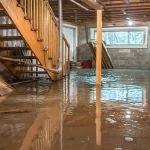
Posted by admin at 20 May The First 48 Hours: A Homeowner’s Checklist for Emergency Flood Cleanup Services
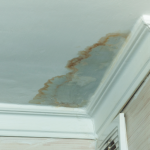
Posted by admin at 10 May Hidden Signs of Water Damage Behind Your Walls (And How to Spot Them)

Posted by admin at 27 Apr Water Damage Restoration: What Homeowners Should Do in the First 24 Hours

Posted by admin at 13 Apr Fire Damage vs Water Damage: Key Differences in Restoration Process Explained








Our mission is simple: restore your property and peace of mind with speed, compassion, and expertise.
© 2026 Fires & Water Restoration All rights reserved. Designed By 
 972-900-3855
  info@firesandwaterrestoration.com

