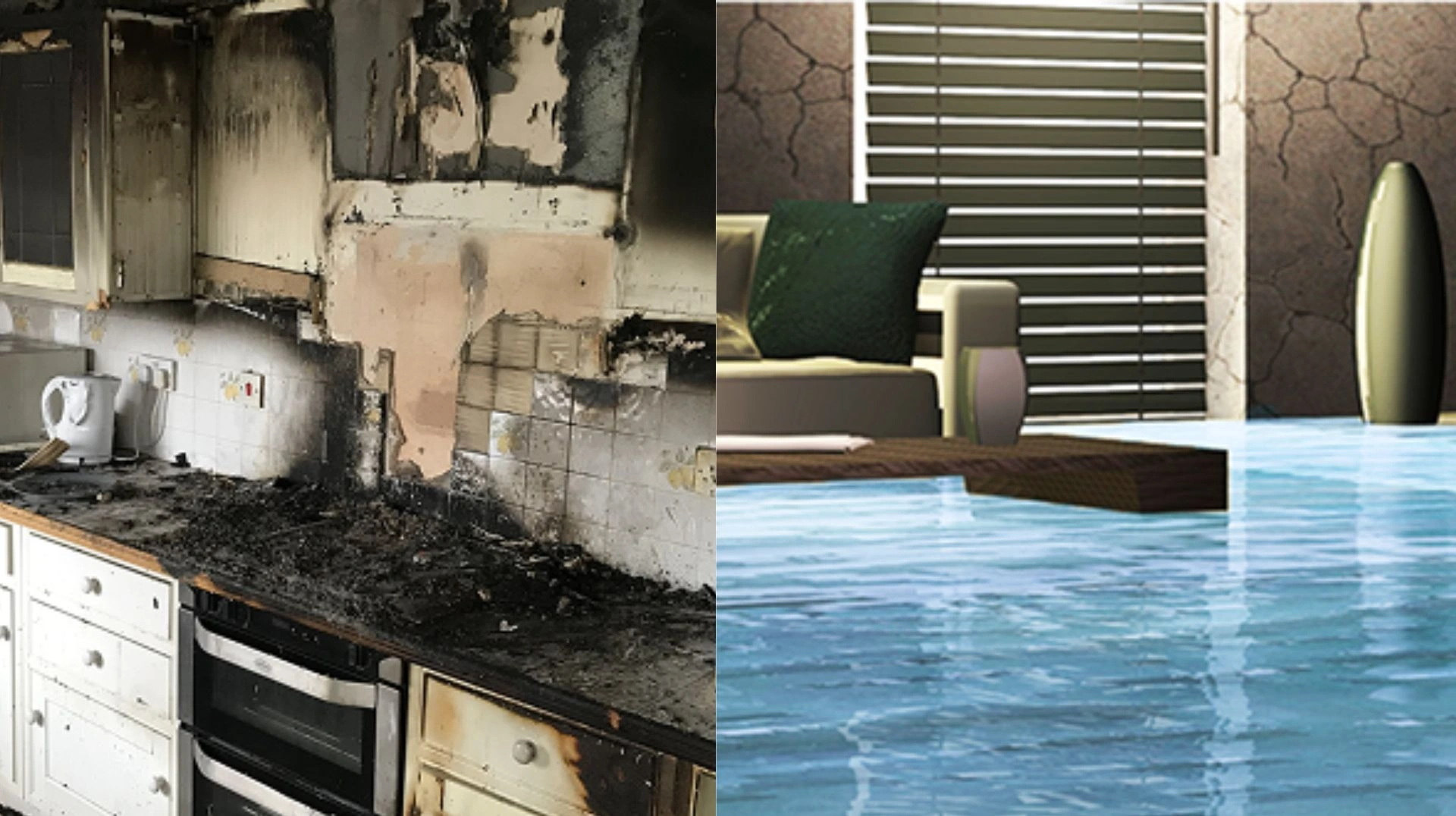
Fire and water damage are two of the most common and devastating incidents when a disaster hits a home or business. While both may result in great structural and personal loss, the process of restoring fire and water damage is quite different. Having a basic knowledge of such differences will assist property owners in making fast and informed decisions in the recovery process.
Fire damage is complicated since it doesn’t just involve flames. It can destroy structural components, compromise materials, and leave behind soot, smoke residue, and toxic odors. Even the regions that have not been affected by the flames can experience the effects of heat and smoke.
Also, firefighting operations usually inject water into the scene, so the fire restoration in Plano, TX, involves dealing with the fire and water problems at the same time.
Water damage is normally caused by floods, pipe bursts, roof leaks, or appliance failures. While it might not be as destructive as a fire, water damage can soon become a major problem unless it is managed correctly.
Excess moisture may cause weakening of building materials, encourage the growth of molds, and damage the electrical systems. Scheduling an emergency water damage service can help prevent such problems.
The initial step in fire restoration in Plano, TX, is to have the property structurally safe. Fire may compromise the strength of the walls, ceiling, and foundation, thus becoming a source of collapse. Professionals also test the presence of dangerous residues and unhealthy air quality due to smoke.
In the case of water damage, a fire & water damage restoration company will focus on determining the source of the water damage and fixing it as soon as possible. The safety issues are usually related to electrical risks and contamination, particularly sewage overflow or floodwater.
Fire damage restoration is the process of removing burnt debris, washing soot off surfaces, and dealing with smoke damage. Soot is very acidic and is capable of corroding materials unless removed promptly. Walls, ceilings, furniture, and HVAC systems need special methods to clean.
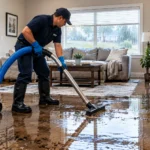
Emergency water damage services focus on removing standing water and drying the affected area. Moisture is removed by industrial pumps, dehumidifiers, and air movers. This is aimed at avoiding further decay and mold.
Fire damage and smoke odors are especially stubborn. They enter porous substances like wood, cloth, and drywall. To remove these odors, fire & water damage restoration companies resort to sophisticated deodorization techniques such as thermal fogging, ozone, or hydroxyl generators.
Water damage may also lead to unpleasant odors, particularly when there is growth of molds. Nevertheless, such odors can be mitigated with the help of proper drying, cleaning, and antimicrobial interventions in general.
Both types of damage need urgent action, although the focus of the urgency differs.
The process of fire damage restoration should be prompt to avoid permanent staining or corrosion of the surface by soot and to ensure that the restoration process is not irreversible.
The restoration of water damage is highly time-sensitive as the mold can start to grow within 24-48 hours.
Fire restoration in Plano, TX, is dependent on special cleaning agents, air scrubbers, and odor removers. Technicians are usually required to work with sensitive materials to prevent the further propagation of soot.
Emergency water damage services use moisture sensors, high-powered water extraction, and drying machines. The level of moisture is constantly monitored to make sure that the property is thoroughly dry before the repair process begins.
Fire damage can be more extensively rebuilt. Burnt material might require total removal and replacement, such as framing, roofing, and insulation.
Water damage can include replacing drywall, flooring, or insulation, but in some cases, structural elements can be salvaged, provided that the drying is performed promptly. Nevertheless, after a long period of being exposed to water, rot may develop, and more extensive repairs might be needed.
The toxic chemicals in the materials that have been burnt may escape due to fire damage and present respiratory hazards. During cleanup, proper protective equipment and ventilation are required.
Water damage, particularly due to contaminated sources, may bring bacteria, viruses, and mold spores to the environment. Unless moisture is contained in time, it becomes a critical aspect of the restoration process.
Fire and water damage restoration requires specialized knowledge, equipment, and experience. At Fires & Water Restoration, our experts handle the restoration jobs seamlessly and efficiently. Trust us to restore your home after fire or water damage. Call us today to book our services.
Posted by admin at 31 Aug How Emergency Water Damage Restoration in Frisco Prevents Costly Home Damage
Posted by admin at 21 Aug What Does a Storm Restoration Company Do? A Complete Homeowner’s Guide
Posted by admin at 17 Aug Top Warning Signs You Need Black Mold Removal in Dallas, TX
Posted by admin at 11 Aug Why Fast Sewage Cleanup Is Critical After Heavy Rain in Arlington

Posted by admin at 28 Jul 10 Ways to Protect Your Home from Future Flood Damage








Our mission is simple: restore your property and peace of mind with speed, compassion, and expertise.
© 2026 Fires & Water Restoration All rights reserved. Designed By 
 972-900-3855
  info@firesandwaterrestoration.com

