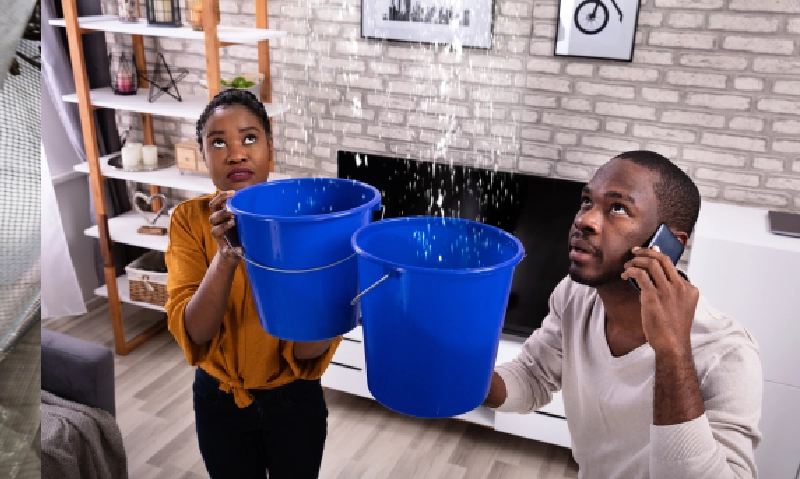
Water damage can occur when you are least expecting it. From burst pipes to storm floods, appliance leaks to sewage backup, prompt action is vital to safeguarding your property. But, numerous homeowners don’t know the difference between water mitigation and water restoration. Although these words are often used interchangeably, they are two different phases of the recovery process.
When you know about these services, you’ll be able to make informed decisions and help prevent damage to your home or business in the long run.
Water Mitigation is the first step when you have water damage. The primary objective is to prevent further damage and stabilize the affected property.
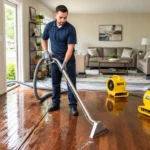
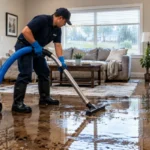
A professional water mitigation contractor is dedicated to moving the pooled water, drying the contaminated space, and ensuring that there are no secondary water damage problems like mold growth or structural damage.
Typical water mitigation services consist of:
Water mitigation is like damage control. The sooner it starts, the more likely it will help save repair expenses and your property.
After the mitigation is complete and it is dry, the restoration process begins. The process of water restoration involves repairing and rebuilding the damaged areas to restore the property to its pre-loss condition.
Water restoration professionals are called upon to perform the following tasks:
The overall purpose of restoration is not just to fix damage but to restore comfort, usability, and looks.
Read More : Water Damage Restoration: What Homeowners Should Do in the First 24 Hours
| Water Mitigation | Water Restoration |
|---|---|
| Seeks to avoid further damage | Seeks to repair existing damage |
| Property is dry, but water intrusion has begun | Begins after the property is dry |
| Water removal and drying included | Rebuilding and repairs included |
| Helps reduce losses and costs | Returns the property to normal condition |
| Emergency response | Reconstruction and finishing service |
Mitigation prevents the issue from worsening, and restoration remediates the damage.
Not following either stage may cause major problems.
If left unchecked, moisture can be trapped behind walls, under the flooring, and inside structural materials. This can lead to mold and wood rot growth, odor, and extra repair costs.
Damaged areas can be unsafe, unattractive, or unusable without restoration work. Even if a property is dry, there may be structural damage that decreases the value and use of the property.
A certified water remediation contractor knows how mitigation and restoration fit together to supply an overall system of recovery.
Water damage can appear manageable initially, but can lead to long-term issues if there is moisture present and not detected. Using professional equipment and skills, contractors can detect moisture that may be invisible to the naked eye.
If you notice any of the following signs, you should seek professional help right away:
Quick response can minimize the size of the repair bill and recovery time.
The water damage restoration process is broken down into two important stages: Water Mitigation and Water Restoration. While mitigation is designed to remove the water and stop the damage, restoration rebuilds the affected areas. They work together to preserve your investment, restore your property’s value, and provide you with a safe living or working environment.
In the event of water damage, every second counts. Our experts at Fires & Water Restoration are highly trained and equipped to respond quickly and efficiently to fires and water damage. From minor leaks to major flooding, our professionals will help you every step of the way and get the job done right. Call our team today for reliable water damage restoration solutions.
Posted by admin at 28 Sep Roof-Leak Water Damage: How to Find Hidden Moisture and Prevent Interior Damage
Posted by admin at 21 Sep Water Damage Restoration Near Me: Find Fast, Reliable Local Help
Posted by admin at 21 Sep Fire Damage Restoration: What to Do After a House Fire
Posted by admin at 21 Sep How Professional Structural Drying Works After a Flood or Plumbing Leak
Posted by admin at 14 Sep What Can Be Saved After Water Damage—and What Usually Must Be Replaced?







Our mission is simple: restore your property and peace of mind with speed, compassion, and expertise.
© 2026 Fires & Water Restoration All rights reserved. Designed By 
 972-900-3855
  info@firesandwaterrestoration.com

