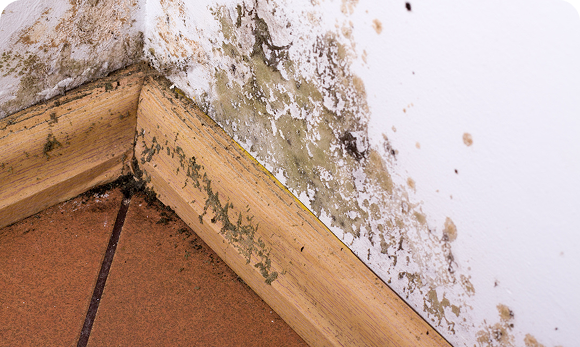
Mold can begin quietly. A small plumbing leak, roof intrusion, flooding event, condensation problem, or persistent moisture issue can create the conditions mold needs to develop. By the time you notice a musty odor or dark discoloration, the affected area may extend beyond what you can see.
Fires & Water Restoration provides professional Dallas mold remediation for residential and commercial properties affected by mold and moisture problems. Our approach focuses on identifying the affected areas, controlling the source of moisture, containing the work area, removing affected materials when appropriate, cleaning the property, and restoring damaged sections.
If you are searching for black mold removal Dallas property owners can rely on, it is important to look beyond the visible spot. Mold remediation is not simply a matter of wiping a surface clean. The underlying moisture condition and the extent of contamination also need to be considered.
Mold and moisture problems can affect many types of Dallas properties, from family homes and apartments to offices, retail spaces, restaurants, warehouses, and other commercial buildings.
The first question is usually simple: Where is the moisture coming from?
A leaking pipe behind a wall may continue feeding a mold problem. A roof leak may leave attic materials damp. Condensation around HVAC equipment can create recurring moisture. Previous flooding can leave moisture inside flooring or wall cavities.
Effective mold remediation Dallas TX services therefore need to address both the visible mold and the conditions that allowed it to develop.
Our team evaluates the affected property and develops a restoration approach based on the source, location, materials involved, and extent of the problem.
Mold needs moisture and an appropriate environment to grow. That moisture can enter a building in several ways.
Common causes include:
Dallas properties can experience both sudden water emergencies and long-term moisture problems. A storm may introduce water through a damaged roof, while a slow plumbing leak may remain hidden for weeks.
This is why finding the moisture source is a critical part of mold removal Dallas property owners should consider when visible mold appears.
The term “black mold” is commonly used when people see dark or black-colored mold growth. However, color alone cannot reliably identify a particular mold species.
That distinction matters.
Instead of assuming what type of mold is present from its appearance, professional remediation should focus on the actual condition of the property, the extent of visible growth, moisture sources, and affected materials.
For homeowners searching for black mold removal Dallas TX, the priority should be controlled remediation rather than attempting to identify or disturb the growth yourself.
If mold is extensive, located inside concealed building materials, or associated with significant water damage, professional assessment can provide a safer and more structured path forward.
Mold is not always immediately visible. Some signs can appear before you find the source.
Look for:
A musty smell without an obvious source deserves attention. It can indicate moisture or microbial growth in an area that is not readily visible.
One of the most common mistakes property owners make is cleaning visible mold while leaving the underlying moisture problem unresolved.
For example, removing mold from a wall does not solve a leaking pipe inside that wall. Cleaning a ceiling stain does not resolve a roof leak. Treating a damp area without correcting the moisture source can allow the problem to return.
Professional mold cleanup Dallas services should therefore consider three connected issues:
Moisture source: What caused the area to become damp?
Affected area: How far has moisture or mold extended?
Restoration: Which materials can be cleaned, and which require removal or repair?
This approach produces a more meaningful restoration plan than treating visible discoloration alone.
Every property requires a different response. Depending on the condition of the building, our services can involve several stages.
We begin by evaluating the affected areas and looking for visible mold, moisture damage, and conditions that may contribute to continued growth.
The assessment helps establish the scope of work before remediation begins.
When appropriate, affected areas can be isolated during remediation to help limit the movement of contaminants into unaffected portions of the property.
Containment requirements depend on the location and extent of the affected area.
Affected materials and surfaces are addressed using appropriate remediation methods. Materials that cannot be effectively restored may need to be removed and replaced.
The goal is controlled removal, not simply moving contaminated material from one area to another.
Surfaces that can be restored are cleaned using methods appropriate for the material and condition. Contents may also require cleaning when they have been affected by mold or moisture.
Removing mold without addressing moisture can leave the underlying problem unresolved.
Where the cause is related to water intrusion, plumbing, condensation, or another moisture source, identifying and controlling that source is an important part of the restoration strategy.
Mold remediation may leave damaged drywall, flooring, insulation, ceilings, or other materials that require repair.
Once the affected areas have been properly addressed, restoration work can return the property to a functional condition.
Mold problems can look very different depending on how a property is used.
Homes may develop mold in bathrooms, kitchens, attics, HVAC areas, crawl spaces, and rooms affected by previous water damage.
A hidden plumbing leak can affect drywall and cabinetry. Roof intrusion can introduce moisture into attic materials. Poor ventilation can create recurring condensation in bathrooms.
The right solution depends on the source and extent of the moisture.
Commercial buildings can have larger and more complex moisture environments. HVAC systems, plumbing networks, flat roofs, mechanical spaces, storage areas, and high-occupancy rooms can all present different restoration challenges.
For a business, mold remediation also needs to consider employees, customers, inventory, equipment, and the continued use of the facility.
Our mold remediation Dallas TX services can support commercial property owners and facility managers as they work through these situations.
Dallas has a broad mix of property types, from established residential neighborhoods to high-density commercial districts and newer developments. That means moisture problems can occur in many different building environments.
In North Dallas, residential properties, apartments, and commercial facilities may experience moisture issues related to plumbing, HVAC systems, roofing, or previous water damage.
East Dallas contains many established properties where aging plumbing, roofing, and building materials can require careful assessment when moisture problems appear.
In Downtown Dallas, commercial buildings, apartments, offices, restaurants, and retail spaces may require remediation planning that accounts for occupants and building operations.
South Dallas and West Dallas also include a mixture of residential, commercial, and industrial properties, creating different restoration requirements from one project to another.
The important point is that mold remediation should be based on the property itself rather than assumptions about a particular neighborhood.
Fires & Water Restoration provides restoration support in Dallas and surrounding DFW communities, including Arlington, Fort Worth, Frisco, Garland, Grand Prairie, Irving, McKinney, and Plano.
This regional coverage is useful for homeowners, landlords, property managers, and businesses with properties in multiple communities.
Whether the problem begins with a leaking pipe in Irving, previous water damage in Plano, roof moisture in Frisco, or a commercial HVAC issue in Dallas, the restoration process starts with understanding the specific moisture conditions affecting the property.
A structured process helps keep remediation focused and controlled.
We evaluate visible mold, affected materials, moisture conditions, and areas that may require further attention.
We look at the conditions contributing to the problem so the remediation plan addresses more than the visible growth.
Affected areas are isolated when appropriate to help control the spread of contaminants during remediation.
Mold-affected materials are addressed using suitable removal and cleaning methods based on their condition.
Remaining moisture is addressed where necessary, with attention given to preventing the conditions that contributed to the original problem.
Damaged building materials are repaired or replaced as needed after the affected areas have been remediated.
Mold problems can be easy to underestimate.
A small visible area may be connected to a larger moisture issue. Mold may also exist behind walls, beneath flooring, above ceilings, or around building systems where it cannot be identified through a basic visual inspection.
Professional remediation provides a structured way to determine what is happening and what needs to be done next.
It can help property owners:
The goal is not to make a mold problem look better for a few days. The goal is to address the affected environment and restore the property properly.
If you have discovered mold in your property, do not assume the visible area represents the entire problem.
A musty odor, recurring moisture, water staining, or visible mold can all be reasons to investigate further. The sooner the source and affected areas are understood, the easier it is to establish a practical remediation plan.
Fires & Water Restoration provides mold removal Dallas Texas property owners can turn to for assessment, containment, mold removal, cleanup, moisture control, and restoration support.
From residential properties to commercial facilities, our team helps Dallas-area property owners move from identifying a mold problem to addressing the underlying conditions and restoring affected areas.

We follow a structured process for every mold remediation case.
We locate visible and hidden mold areas.
We isolate affected zones to prevent spread.
We safely remove mold from surfaces and materials.
We treat indoor air and remove spores.
We repair and restore affected areas.
This ensures safe and complete recovery in Dallas properties.
TestimonialsReal stories from customers who trusted us to restore their peace of mind.

“They arrived within an hour after our water heater burst. The team was kind, fast, and incredibly thorough.”
Satisfied Client
“After a kitchen fire, they handled everything from cleanup to rebuilding. I couldn’t believe how good the house looked afterward.”
Satisfied Client
“Professional, patient, and honest. They helped us navigate insurance and made the process easy.”
Satisfied Client
FAQsWe provide 24/7 emergency mold response across Dallas and nearby areas.
Yes, mold can cause allergies and breathing problems.
Yes, we also serve Irving, Arlington, Plano, and Fort Worth.
Leaks, humidity, and poor ventilation are common causes.
Yes, we assist with documentation and claim support.
Where we offer our servicesMold spreads quickly and becomes harder to remove over time. Fast action is important.
If you need mold remediation in Dallas, call now for immediate help.
Fires and Water Restoration is available 24/7 across Dallas.







Our mission is simple: restore your property and peace of mind with speed, compassion, and expertise.
© 2026 Fires & Water Restoration All rights reserved. Designed By 
 972-900-3855
  info@firesandwaterrestoration.com

